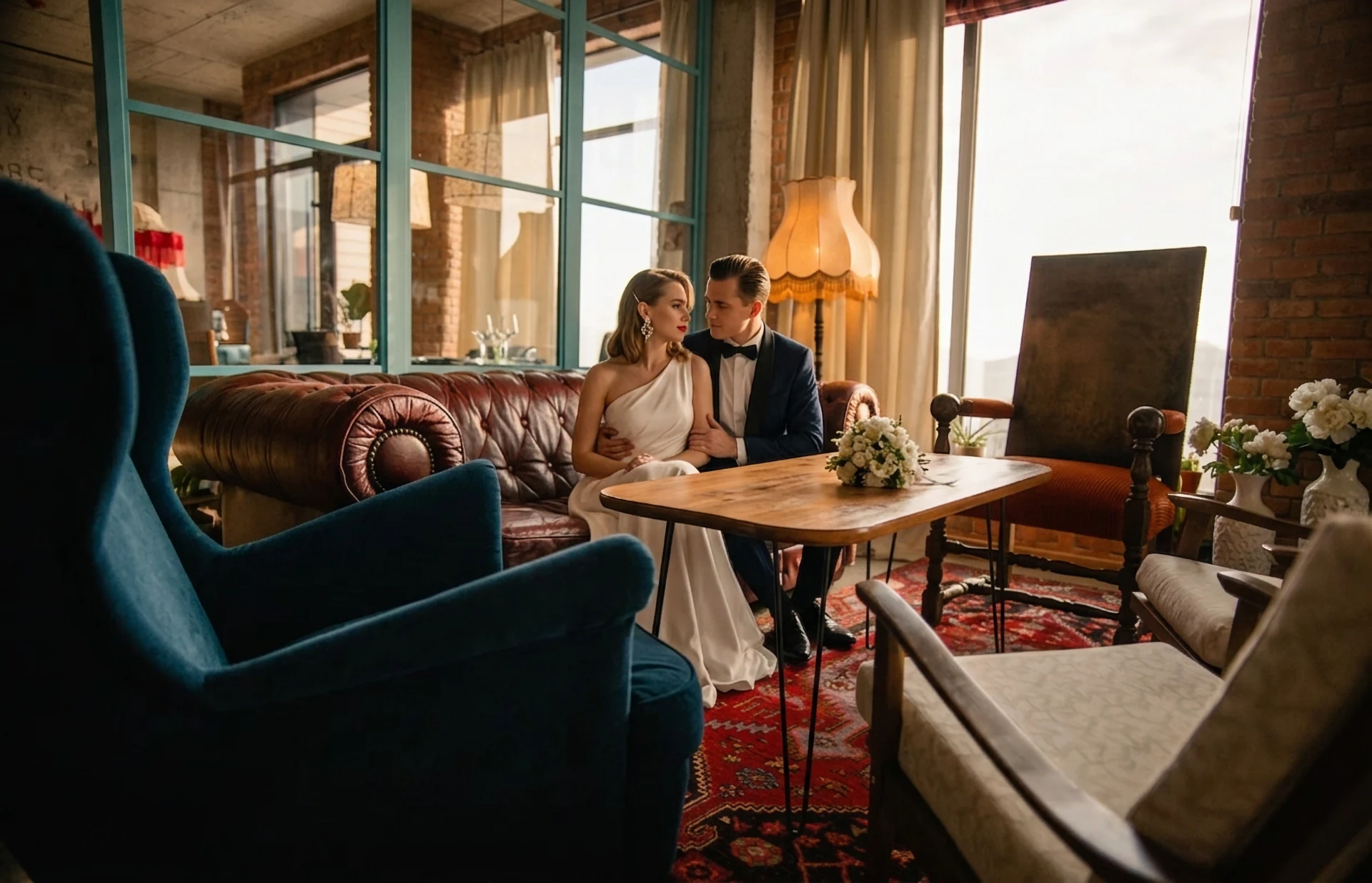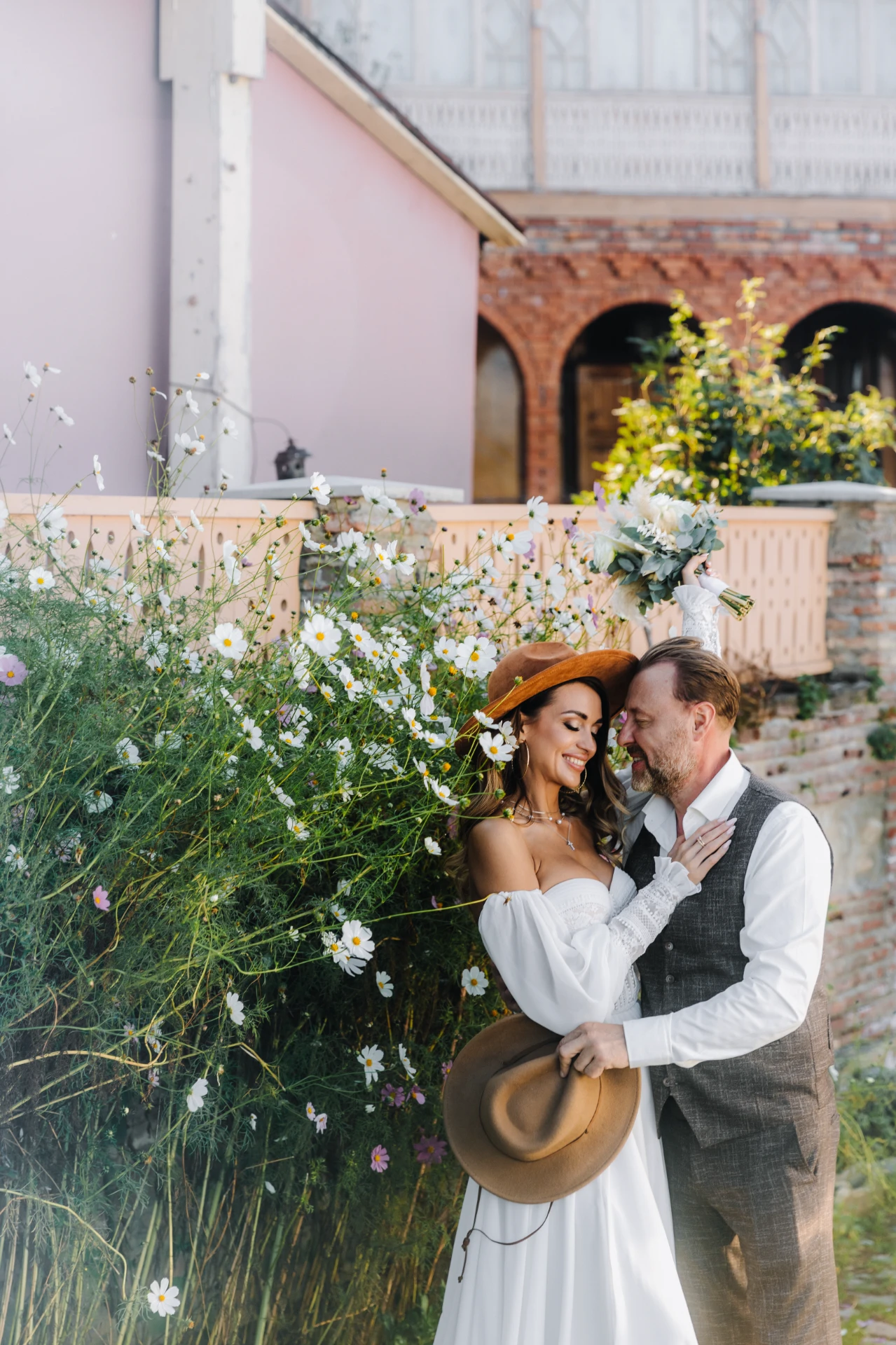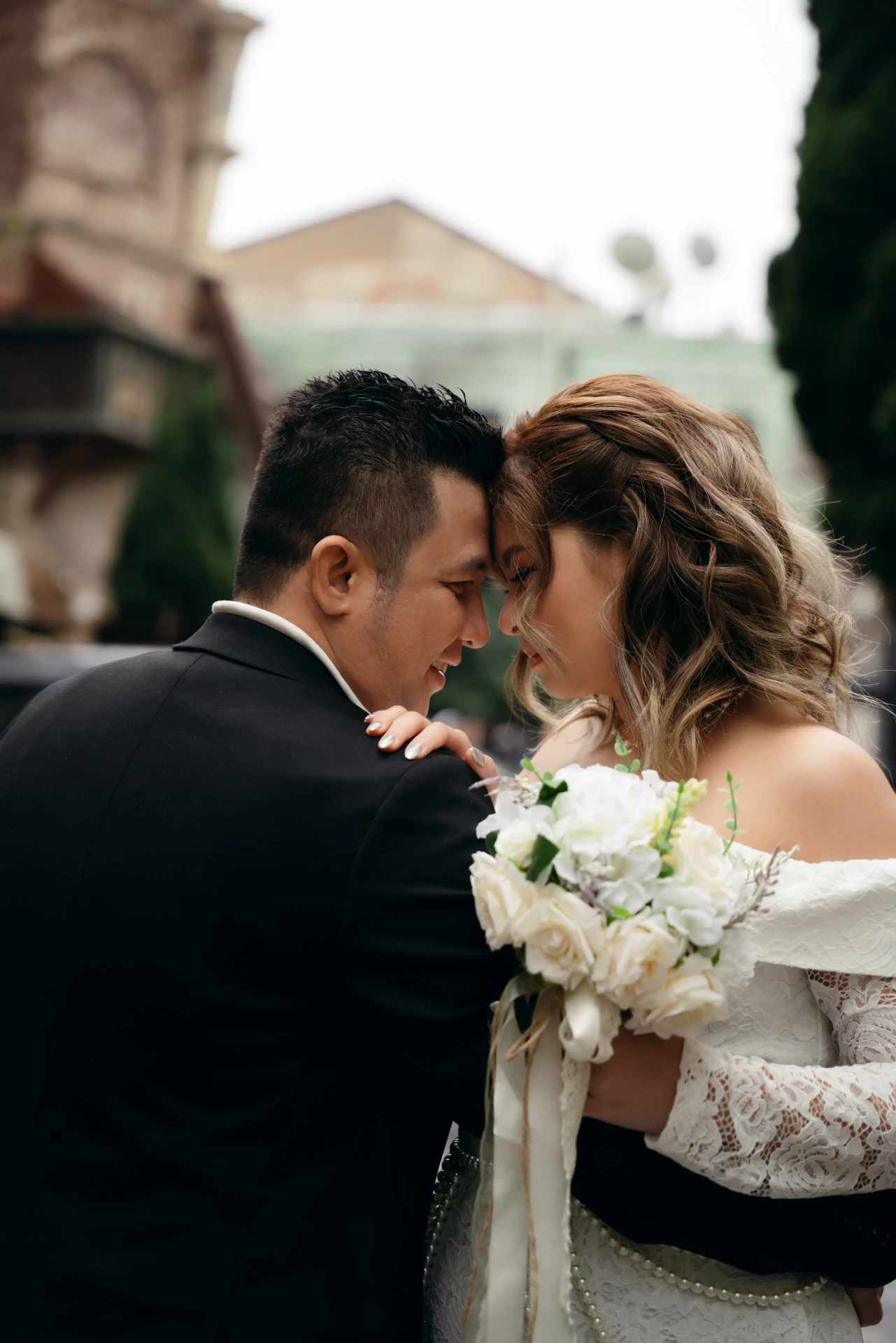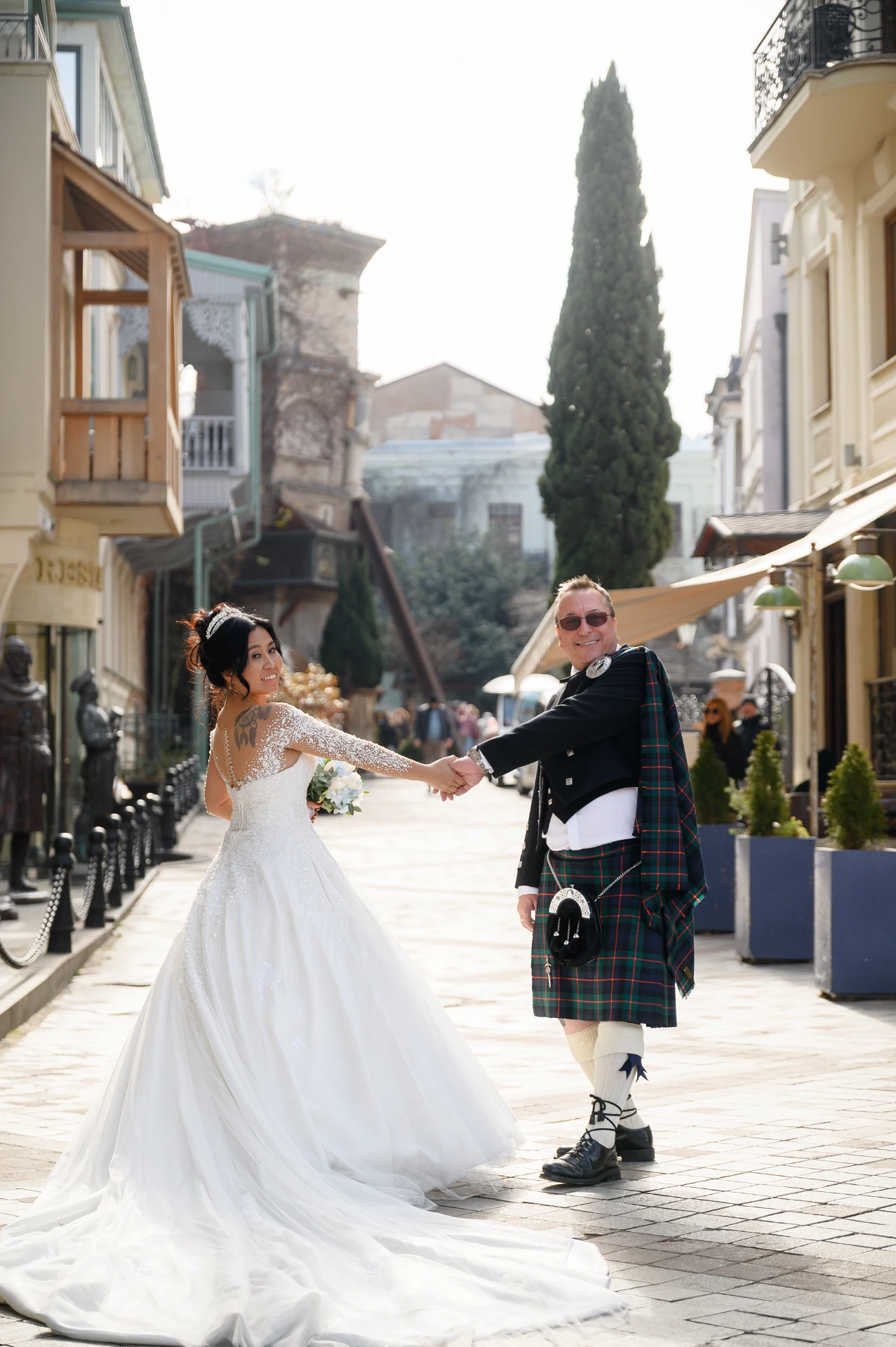

In many ways, today’s world has become one shared space: people travel, work, and launch projects across different corners of the globe. In this reality, finding love thousands of miles away from home is no longer a movie plot – it has become part of everyday life. But when international couples decide to build a family together, even the most beautiful love story can quickly run into harsh bureaucracy. While researching destinations for a wedding abroad, many couples naturally look toward old Europe. Yet in reality, it often proves far less welcoming than the glossy travel brochures suggest. Behind Austria’s polished alpine charm lies a system of strict requirements, endless paperwork, and complicated verification procedures. Let’s take a closer look at the challenges couples may face there – and why more and more people searching for a simple and stress-free solution are turning to the unique atmosphere of Georgia, leaving European bureaucracy behind altogether.

In this article you will learn about
- The reality of tying the knot in Austria
- Marriage between an Austrian citizen and a foreigner:
- Marriage between two foreigners in Austria
- Main obstacles you will face at the Austrian civil registry (Standesamt)
- Austria versus Georgia: comparing the marriage process
- Why Georgia is the ultimate alternative for a fast and legal wedding
- FAQ
The reality of tying the knot in Austria
If you still believe that officially registering a marriage in Austria is little more than a romantic stroll to the sound of Strauss waltzes, it is time to leave those illusions behind. Austria’s legal system is known for its uncompromising approach, especially when it comes to marriage in Austria for foreigners. Under local legislation, any couple without Austrian citizenship automatically falls into a category of “heightened bureaucratic scrutiny,” which significantly complicates the process and can stretch it out for months.
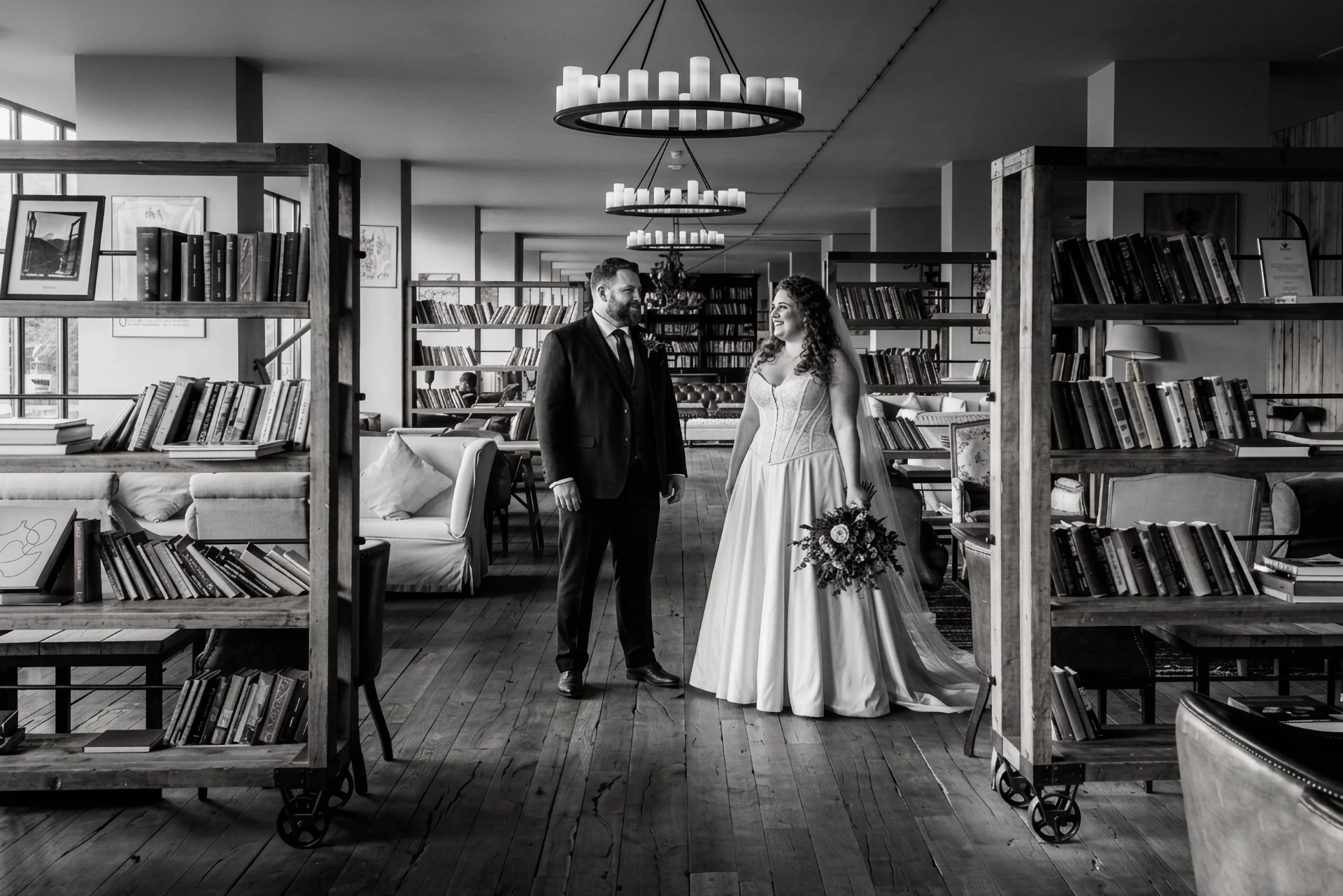
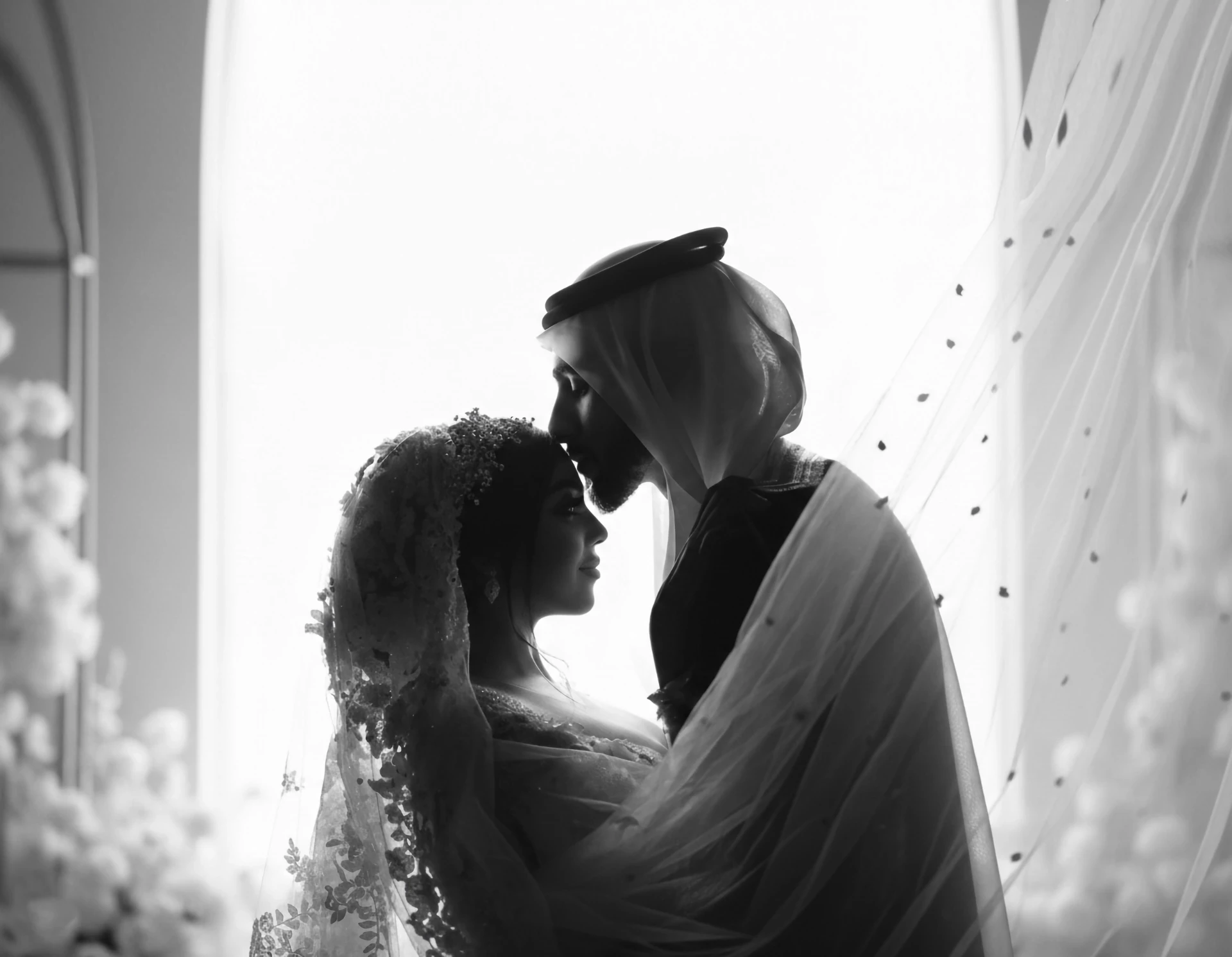
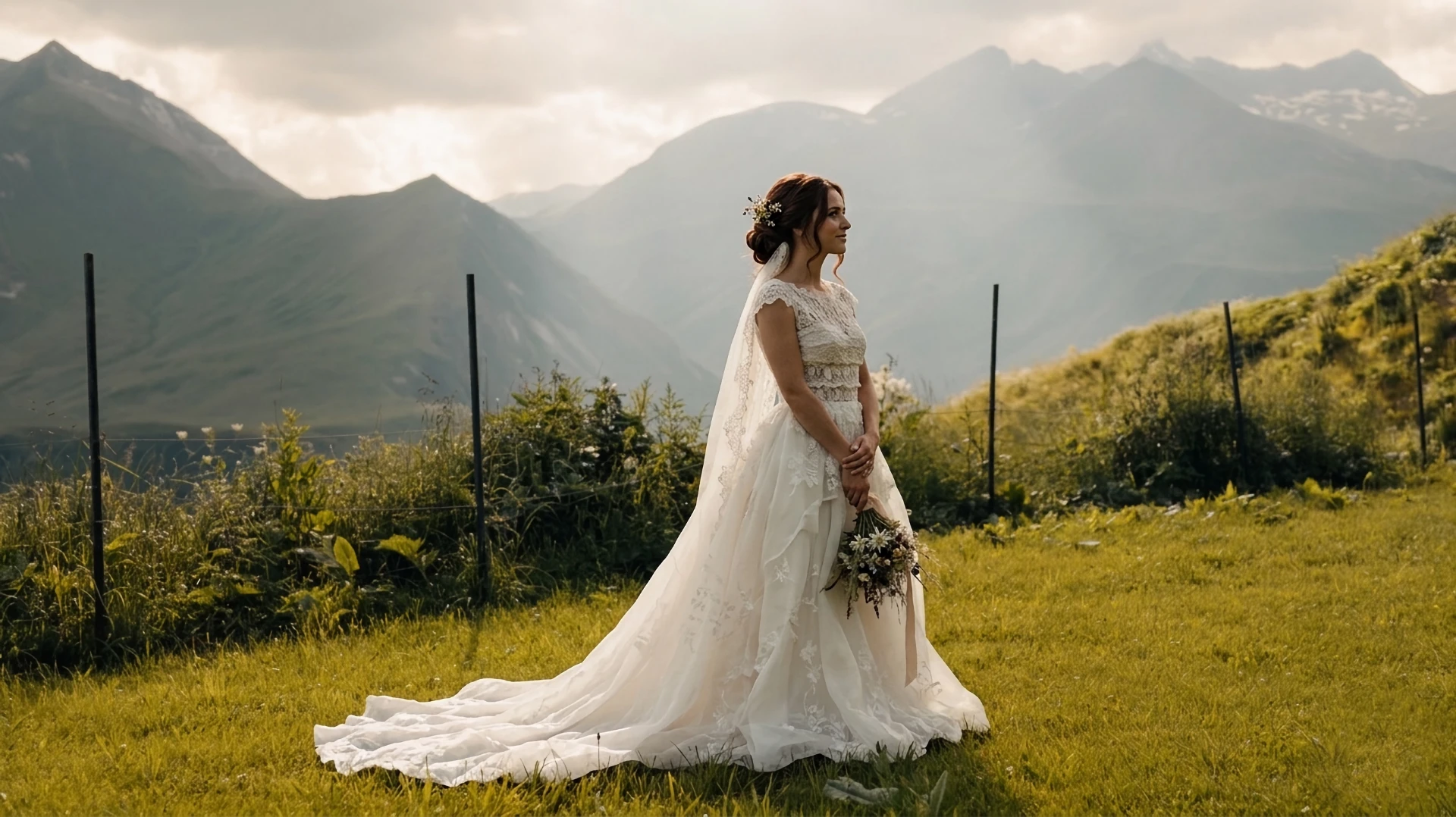 Wedding photoshoot in the mountains of Gudauri (Georgia) for a bride from Austria
Marriage between an Austrian citizen and a foreigner: the document maze
At first glance, it may seem that the procedure should be simpler if one partner is Austrian. In reality, however, the process of getting married in Austria to a foreigner often turns into a true bureaucratic labyrinth, where every step is strictly monitored to eliminate even the slightest suspicion of a sham marriage. According to the internal regulations of Austrian registry offices and the Federal Ministry for European and International Affairs (BMEIA), the foreign partner must provide an extensive amount of personal documentation from their home country.
Official government guidelines make it clear that a basic package consisting of a passport and birth certificate is far from enough. Authorities may require:
- An official “Meldezettel” (a residence registration document issued by Austrian authorities) or other proof of permanent address;
- A complete history of previous marriages or relationships, including original divorce certificates and court decisions;
- Documents confirming the legal capacity to marry and the absence of legal impediments (Ermittlung der Ehefähigkeit).
And this is where a major legal trap often emerges. For example, Austrian authorities do not recognize certain internationally common divorce procedures, such as so-called Mexican divorces. If your personal history involves complications of this kind, you may be forced to initiate a separate legal recognition process within Austria itself. Moreover, the registry office cannot independently approve or schedule your wedding date. Its role is limited to collecting documents and forwarding them to the Higher Regional Court (Oberlandesgericht). Without formal authorization from this court, your ceremony may never move beyond the planning stage.
Marriage between two foreigners: a double bureaucratic burden
If two foreign nationals without permanent Austrian residency decide to marry in Austria, the bureaucratic pressure effectively doubles. In such cases, any Austrian civil registry office becomes less of a celebratory institution and more of a strict supervisory authority. The situation is further complicated by the fact that non-residents cannot simply choose any registry office they like. Couples without Austrian citizenship or registered residency are legally tied to a specialized central authority – the registry office of Vienna’s First District (Standesamt Wien-Innere Stadt). This institution carries the enormous responsibility of conducting detailed verification checks on documents submitted by both partners from countries all over the world. Because of the overwhelming workload of this office, international couples are often forced to send requests and wait months for responses, all while paying increased court and administrative fees for the review of foreign documents. Instead of enjoying the excitement of planning their wedding day, many brides and grooms find themselves trapped in endless international correspondence, anxiously wondering whether Austrian authorities will ultimately approve their marriage.
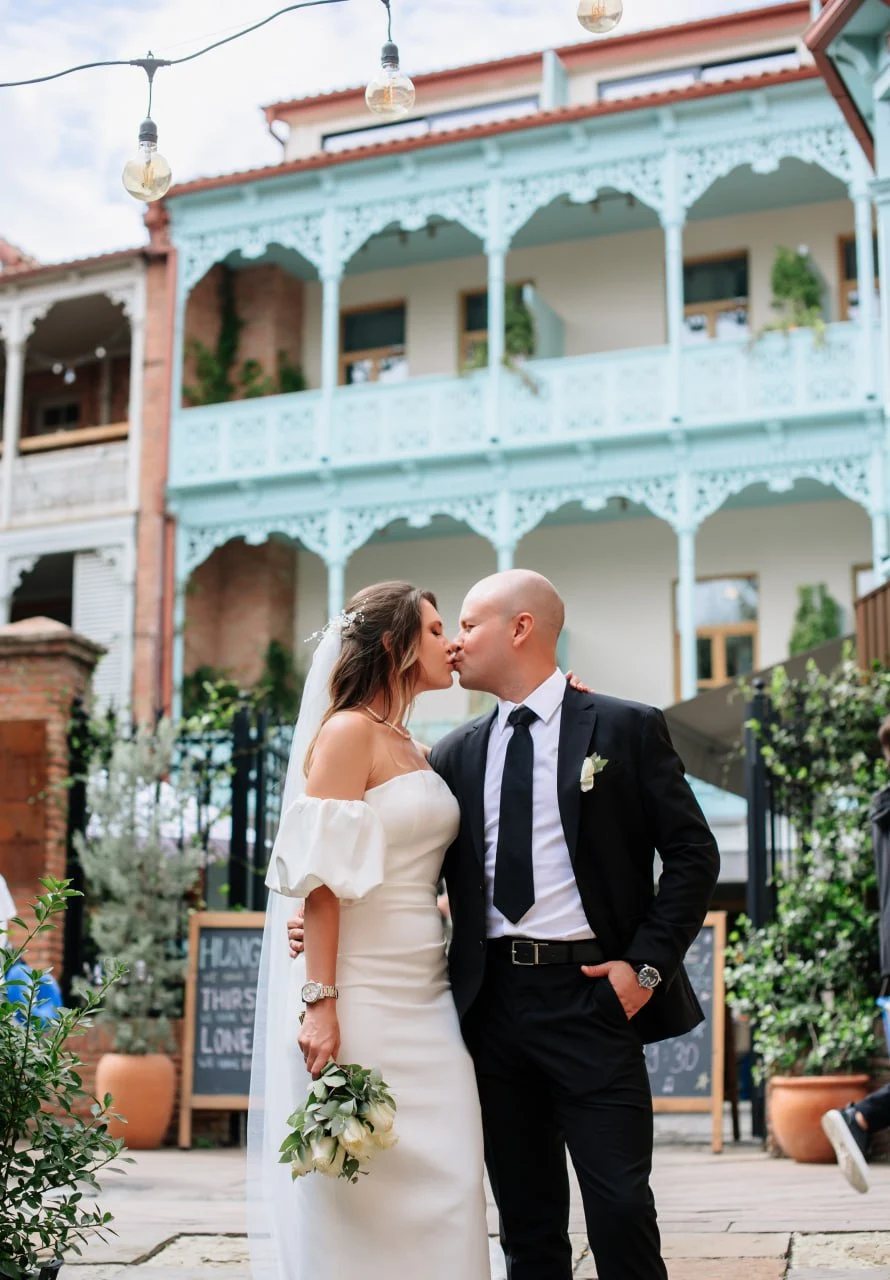
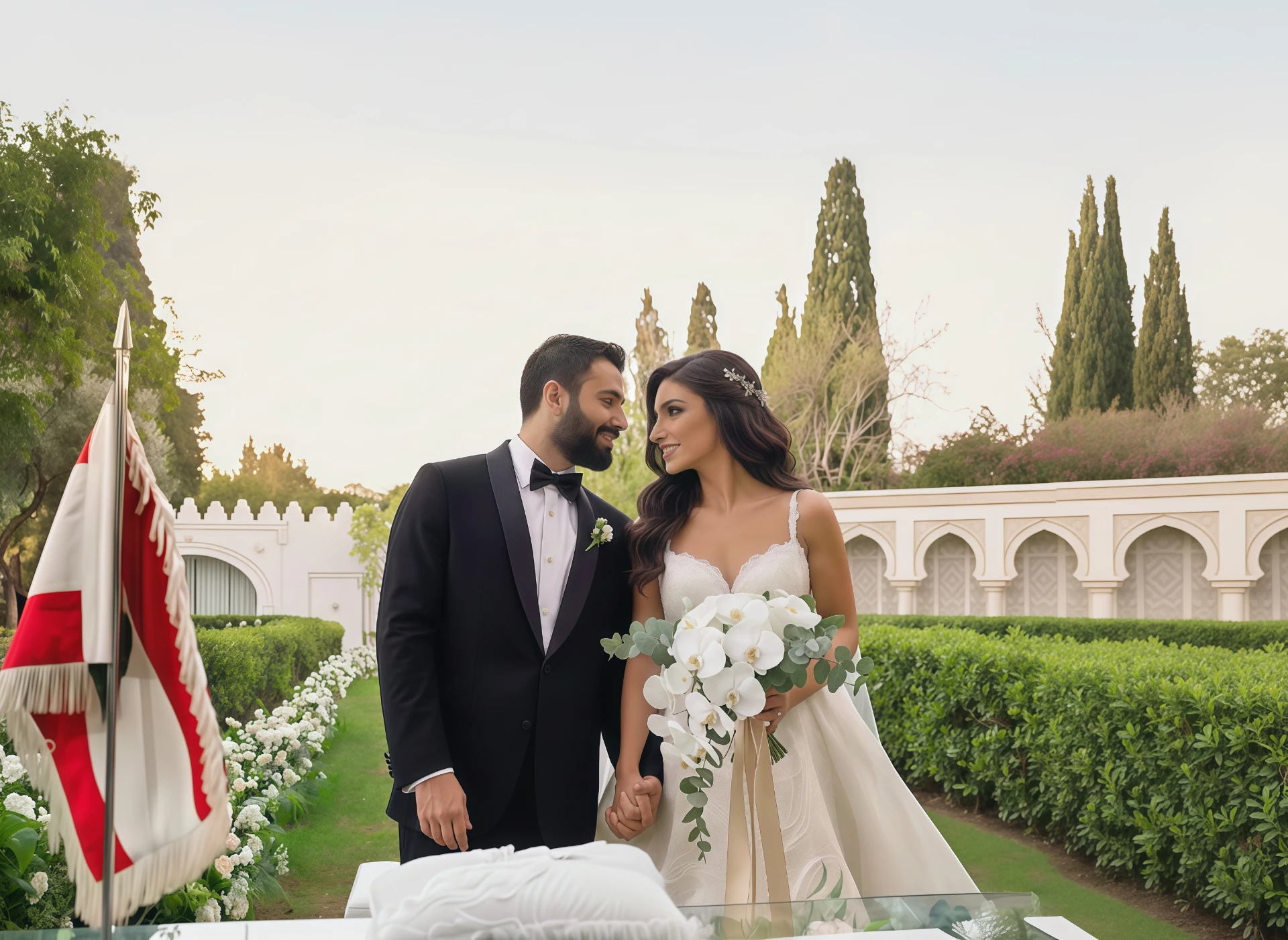
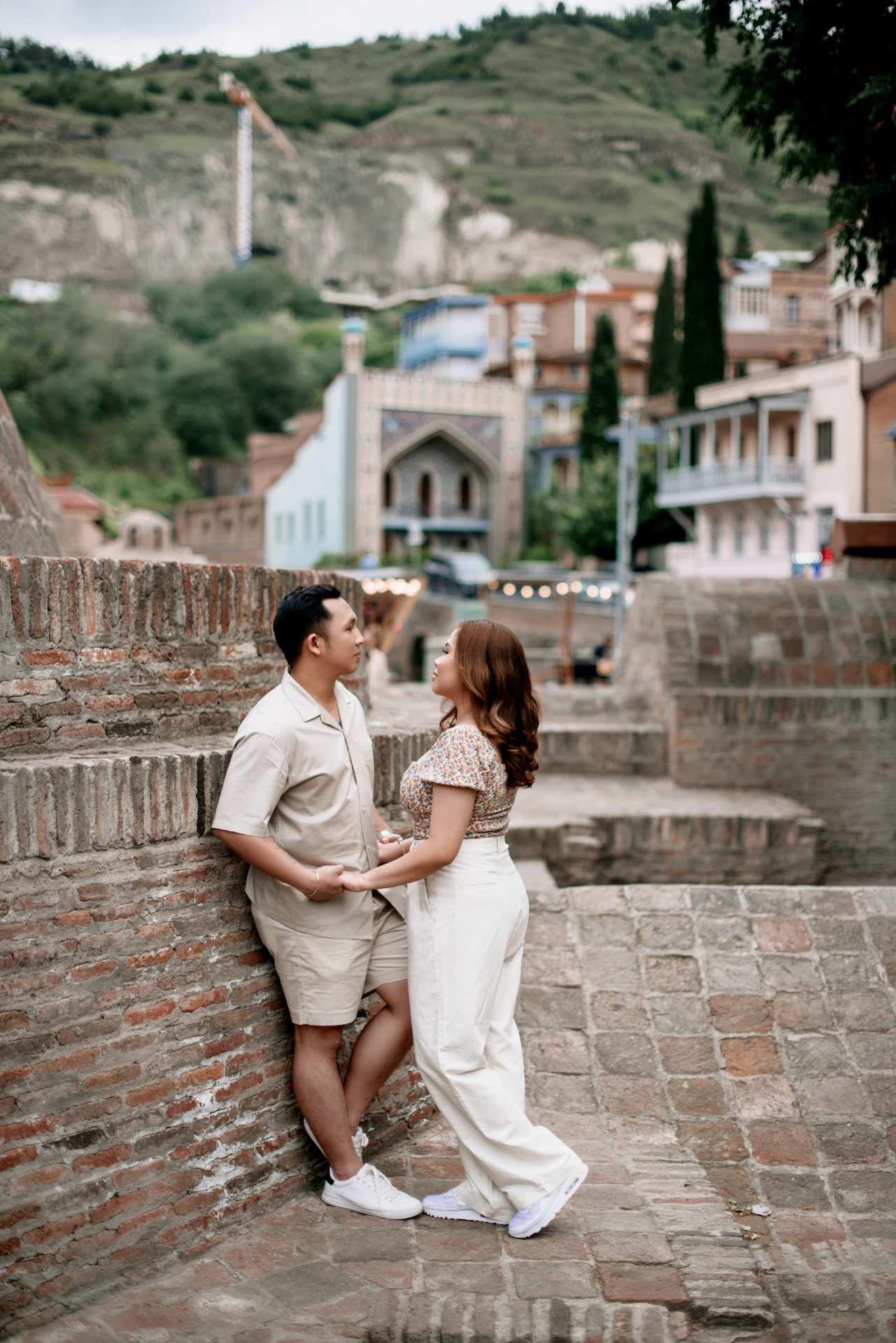
 Marriage registration for a couple living in Austria (citizens of Russia and Kazakhstan) in Georgia with Kate&Co Weddings
Main obstacles you will face at the Austrian civil registry (Standesamt)
If you think the hardest part ends once you have chosen the registry office, the biggest surprises are still ahead. The required documents for wedding in Austria are far more than a simple checklist you can complete over a weekend. Couples planning to register their marriage in Austria inevitably face three major obstacles: strict requirements for international documents, complicated legalization procedures, and highly unpredictable waiting times. Austrian civil servants follow regulations with absolute precision, and even the smallest discrepancy in spelling or an expired certificate can result in an immediate rejection. As a result, preparing the paperwork often turns into an exhausting and expensive process that drains both time and energy.
The infamous Ehefähigkeitszeugnis (certificate of no impediment)
The biggest stumbling block – and often the most stressful part of the entire process – is the requirement to provide an Ehefähigkeitszeugnis for foreigners, an official certificate confirming legal capacity to marry. This document is meant to prove to Austrian authorities that there are no legal obstacles preventing the applicant from getting married in their home country, such as unresolved previous marriages or age-related restrictions. The problem is that in many countries around the world, this legal concept or official certificate simply does not exist. Austrian registry offices are fully aware of this, yet the regulations still require equivalent proof. As a result, foreign nationals are often forced into a bureaucratic nightmare that may include:
- Contacting consulates and government ministries in their home country to obtain alternative marital status certificates;
- Preparing notarized sworn statements confirming there are no legal impediments to marriage;
- In more complicated cases, filing individual petitions with the Austrian Higher Regional Court to request a personal exemption from providing this certificate.
Every additional step can delay the process by weeks, require personal appearances at government institutions, and generate significant legal and administrative expenses.
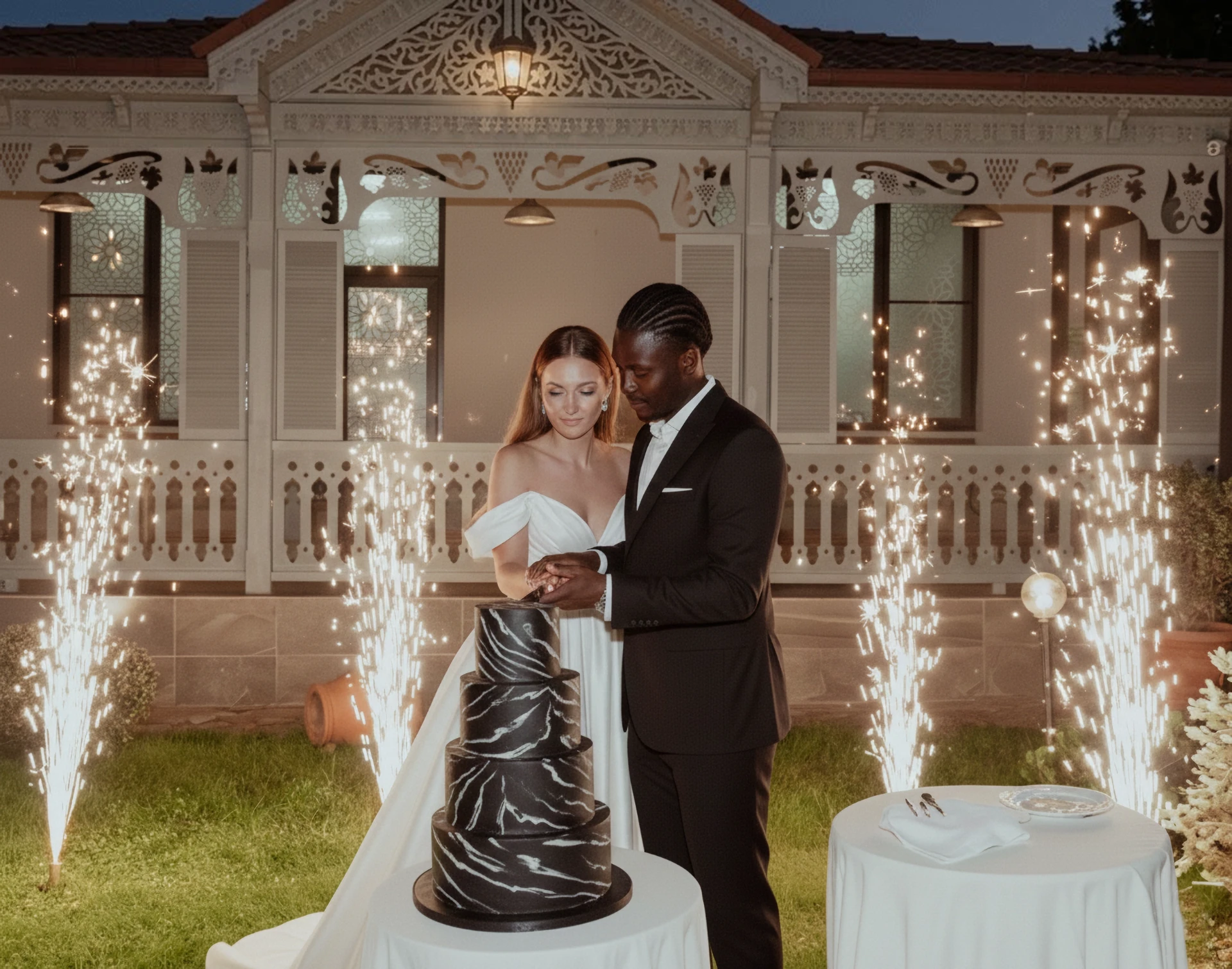
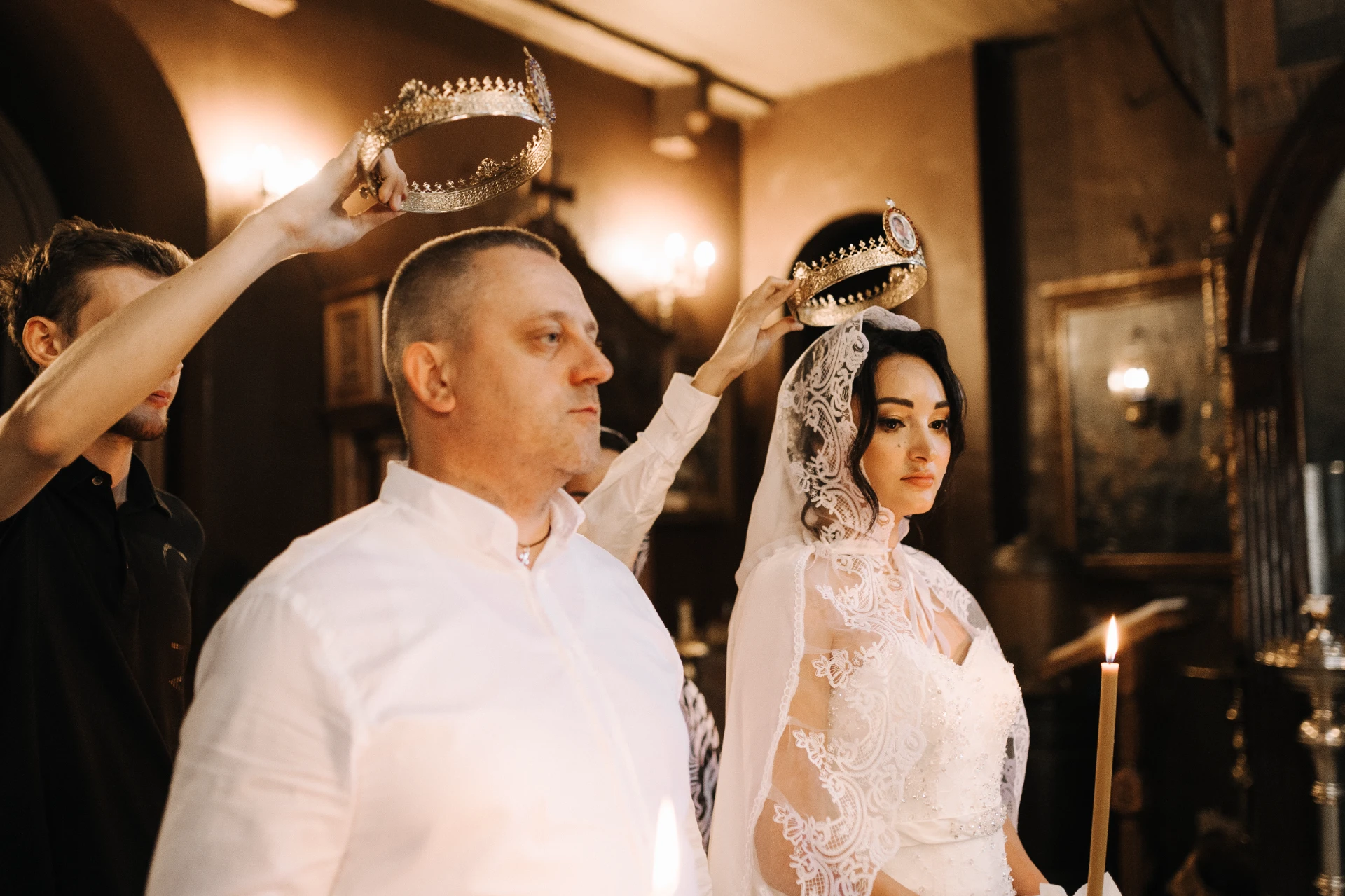
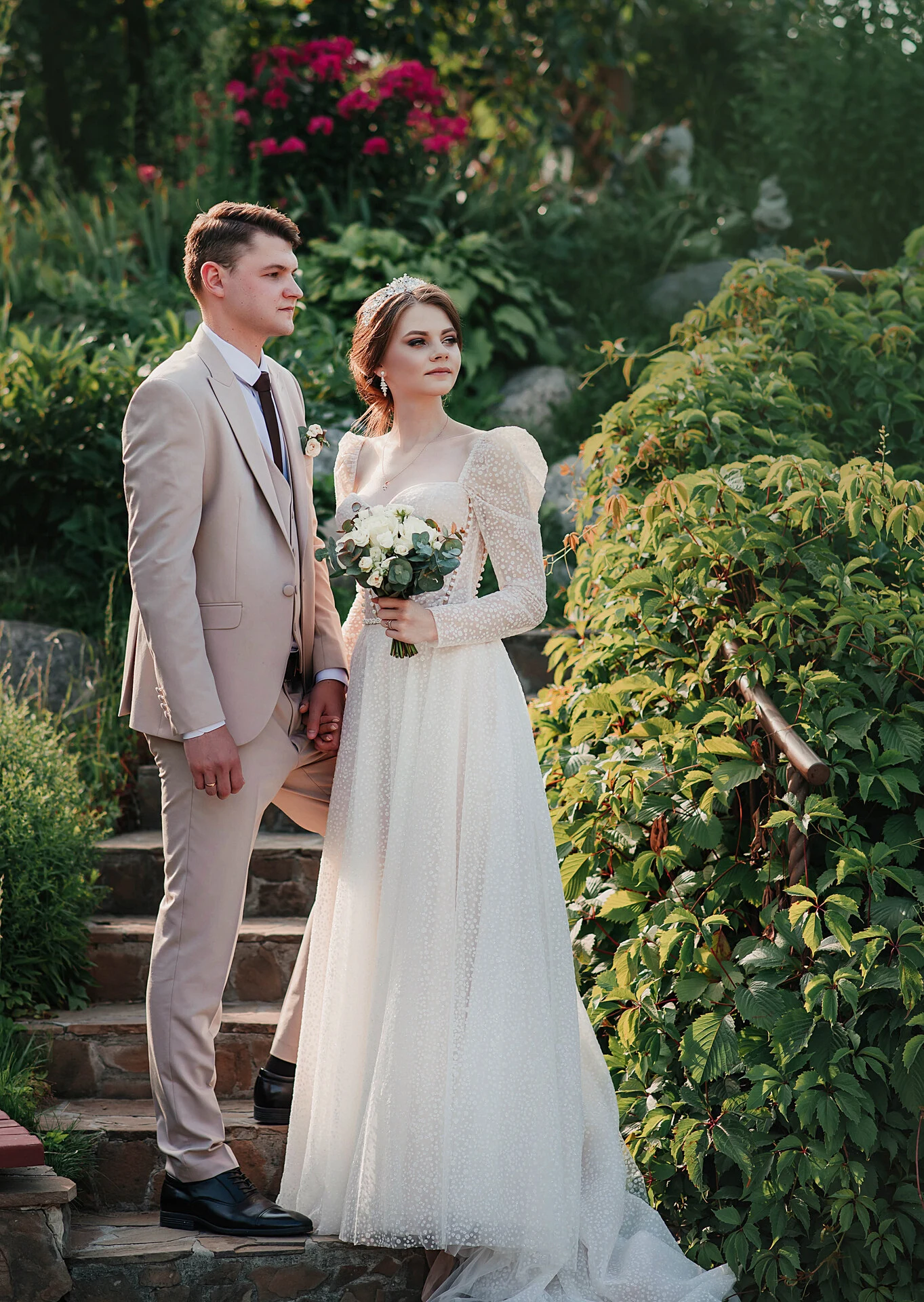
 Outdoor wedding ceremony in Georgia for an international couple (Austrian citizen and Ukrainian citizen)
Legalization, apostille, and certified Austrian translations
Even if you manage to collect every required document, the Austrian registry office will not accept them in their original form. One of the most critical stages is completing the apostille and translation for Austrian wedding correctly. Any foreign-issued documents (except original passports) must go through an official international legalization procedure. In most cases, this means obtaining an apostille stamp from the relevant ministry or government authority in the country where the document was issued. Without an apostille, Austrian officials will simply consider the document invalid. If your country is not part of the Hague Apostille Convention – including countries such as the UAE, Qatar, Kuwait, Saudi Arabia, Egypt, or Libya – you will instead need to complete full consular legalization, a process that can easily take several months.
The next major obstacle is translation. Austria enforces extremely strict rules: all documents that are not in German must be translated exclusively by a certified Austrian court translator (gerichtlich beeideter Übersetzer). Translations completed in your home country by regular notaries or local translators are rejected by the Standesamt in the vast majority of cases. This means couples are often forced to ship original documents to Austria, search for a locally certified translator, and pay European-level service fees that can easily amount to several hundred euros for a complete document package.
Waiting times and appointments
In Austria, time is rarely on the couple’s side. Under Austrian law, marriage applications and the legal capacity review process can only begin within six months of the intended wedding date, since the approval itself remains valid for a limited period. In practice, however, major cities such as Vienna and Salzburg often have waiting times of two to six weeks just for the initial appointment. On top of that, Austrian regulations generally require both partners to appear in person at the registry office during the document verification stage. For international couples, the entire review process – including court examinations and legal checks – usually takes between one and three months. Even then, there is no guarantee that the authorities will approve the exact wedding date the couple originally planned. As a result, many couples find themselves living under constant stress: flights are booked, hotels are reserved, guests are invited, yet the Austrian authorities may still be delaying the final judicial approval.
Our unforgettable moments



Austria versus Georgia: comparing the marriage process
When planning a wedding abroad, it is essential to set aside romantic illusions and compare the actual legal requirements of different countries. The process of getting married in Georgia vs Austria clearly demonstrates how differently governments can treat international couples. On one side, there is a rigid European system that forces couples to become experts in international bureaucracy, spend months collecting documents, and pay thousands of euros in court fees and certified translations. On the other, there is a modern, open, and welcoming approach where the only thing truly required is your desire to be together. To help you clearly understand the scale of bureaucracy involved – and what wedding preparation may realistically look like in each country – we have created an honest comparison table based on the current 2026 requirements.
| Comparison criteria | Marriage registration in Austria | Marriage registration in Georgia |
| Basic document package | Passports, birth certificates, proof of residence, registry extracts, and documents related to all previous divorces. | Only international passports (plus a divorce certificate if this is not your first marriage). |
| Certificate of legal capacity to marry (Ehefähigkeitszeugnis) | Strictly mandatory. If your country does not issue one, you may face lengthy court proceedings through the Oberlandesgericht. | Not required. No marital status certificates from your home country are needed. |
| Translation requirements | Only certified Austrian court translators are accepted. | A standard notarized translation into Georgian is sufficient. |
| Entry requirements | A valid Schengen visa is required. | Visa-free access for citizens of 90+ countries. Medical insurance covering the entire stay is required. |
| Processing and approval timelines | From 2 to 6 months of waiting, with no guarantee your preferred wedding date will be approved. | From 1 to 2 days. Application submission and registration can often happen immediately after arrival. |
| Personal presence before the ceremony | A mandatory in-person “oral hearing” (mündliche Verhandlung) is often required well before the ceremony. | The application can be submitted remotely through representatives of our agency. Your presence is only required on the day of registration. |
| International legalization of the marriage | Depends on your citizenship and often requires additional domestic verification procedures. | The certificate can be apostilled or legalized directly in Georgia and is recognized worldwide. |
| Possibility of an outdoor wedding ceremony | Limited and available only at officially approved venues. | Fully available anywhere in the country. |
As this detailed comparison clearly shows, the Austrian marriage system often immerses couples in endless bureaucracy, document shipping, and expensive legal procedures that strip the excitement and romance out of wedding planning. Georgian legislation, by contrast, has been designed specifically to simplify this process for international couples as much as possible.
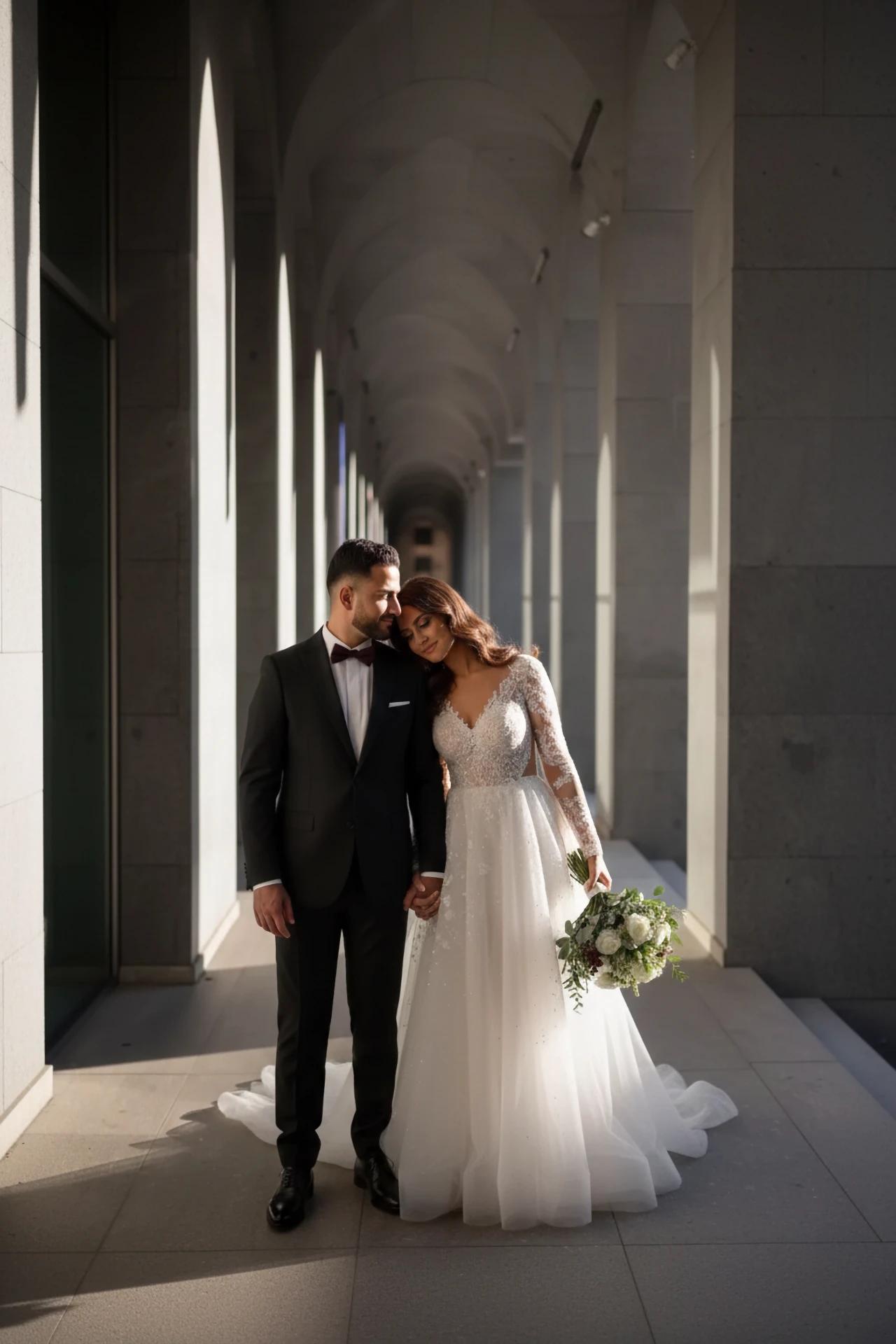
 Wedding organization in Sighnaghi for a couple from Austria. Kate&Co Weddings agency
Why Georgia is the ultimate alternative for a fast and legal wedding
Georgia has rightfully earned its reputation as one of the world’s leading wedding destinations for foreigners. The country’s House of Justice operates as a highly modern digital ecosystem that has completely transformed the concept of public services. Here, you do not have to prove your right to love, search for impossible certificates, or spend your wedding budget on European court translators. Marriage registration in Georgia for foreign citizens is designed down to the smallest detail and offers unique advantages that make it an unbeatable alternative to conservative European registry offices:
- Exceptional speed: with the support of the specialists at Kate&Co Weddings, the entire process – from submitting the application to receiving the official marriage certificate – usually takes only 1 to 2 business days. No endless waiting periods or court approvals.
- Only one essential document: you and your partner will generally need nothing more than your international passports. No residency certificates, no proof of marital eligibility from your home country, and no overwhelming paperwork.
- Remote preparation: the Kate&Co Weddings team handles all preliminary bureaucracy on your behalf. We translate your passports into Georgian, notarize the translations, and submit the application remotely – leaving you free to arrive simply for the ceremony itself.
- All-inclusive wedding opportunities in any location: unlike the strict offices of the Austrian Standesamt, Georgia allows couples to officially marry in a House of Justice or Wedding Palace in any city, or organize a breathtaking outdoor ceremony in the mountains of Kazbegi or among the vineyards of Kakheti.
- Saving both money and energy: the absence of hidden administrative charges, expensive court fees, and mandatory European-certified translators allows couples to invest their resources into creating the celebration of their dreams instead of paying endless invoices. In Georgia, an official marriage registration can cost as little as $450.
But perhaps the greatest advantage of a Georgian marriage is its unquestionable international legal validity. A marriage certificate issued in Georgia, once apostilled or legalized through standard consular procedures, carries the same legal force in countries such as the United States, Ukraine, Belarus, Israel, Austria, and many others as a locally issued marriage document. This makes Georgia the perfect safe haven for international couples who want to obtain legal marital status quickly, avoid months of bureaucratic stress, and begin their life together anywhere in the world without unnecessary delays.
By choosing Kate&Co Weddings, you choose complete comfort and peace of mind. Our team handles the entire legal process for you, including notarized translations, coordination with the House of Justice, and the international apostille or legalization of your marriage certificate for use in your home country. All that remains for you is to enjoy the moment – and each other.
What would you like?


FAQ
Do I need an Austrian residence permit to get married in Austria?
No, having an Austrian residence permit (Aufenthaltstitel) is not a legal requirement for marriage registration in Austria. You can get married while staying in the country on a tourist visa or under a visa-free regime, provided that you submit the full required set of documents. However, there is an important reality many couples underestimate: organizing the process remotely without living in Austria is extremely difficult. Local registry offices (Standesamt) usually require the personal presence of both partners at official hearings and document verification appointments long before the wedding ceremony itself takes place.
Will Austria recognize a marriage registered in Georgia?
Yes, Austria fully recognizes marriages legally registered by foreign citizens in Georgia. Under international private law principles, a marriage is considered valid if it was concluded in accordance with the laws of the country where the ceremony took place. For your Georgian marriage certificate to have full legal validity before Austrian authorities – for example, for visa applications or family reunification procedures – the document must receive a standard international apostille and be accompanied by a certified translation.
Can our foreign documents be translated in our home country for the Austrian Standesamt?
In approximately 95% of cases, the answer is no. Current Standesamt wedding requirements impose extremely strict formatting and translation rules: all documents that are not in German must be translated exclusively by a certified Austrian court translator. Translations prepared by regular translation agencies or notarized in your home country are usually rejected by Austrian authorities. As a result, couples often have to repeat the entire process in Austria and pay for new translations again under significantly higher European pricing standards.