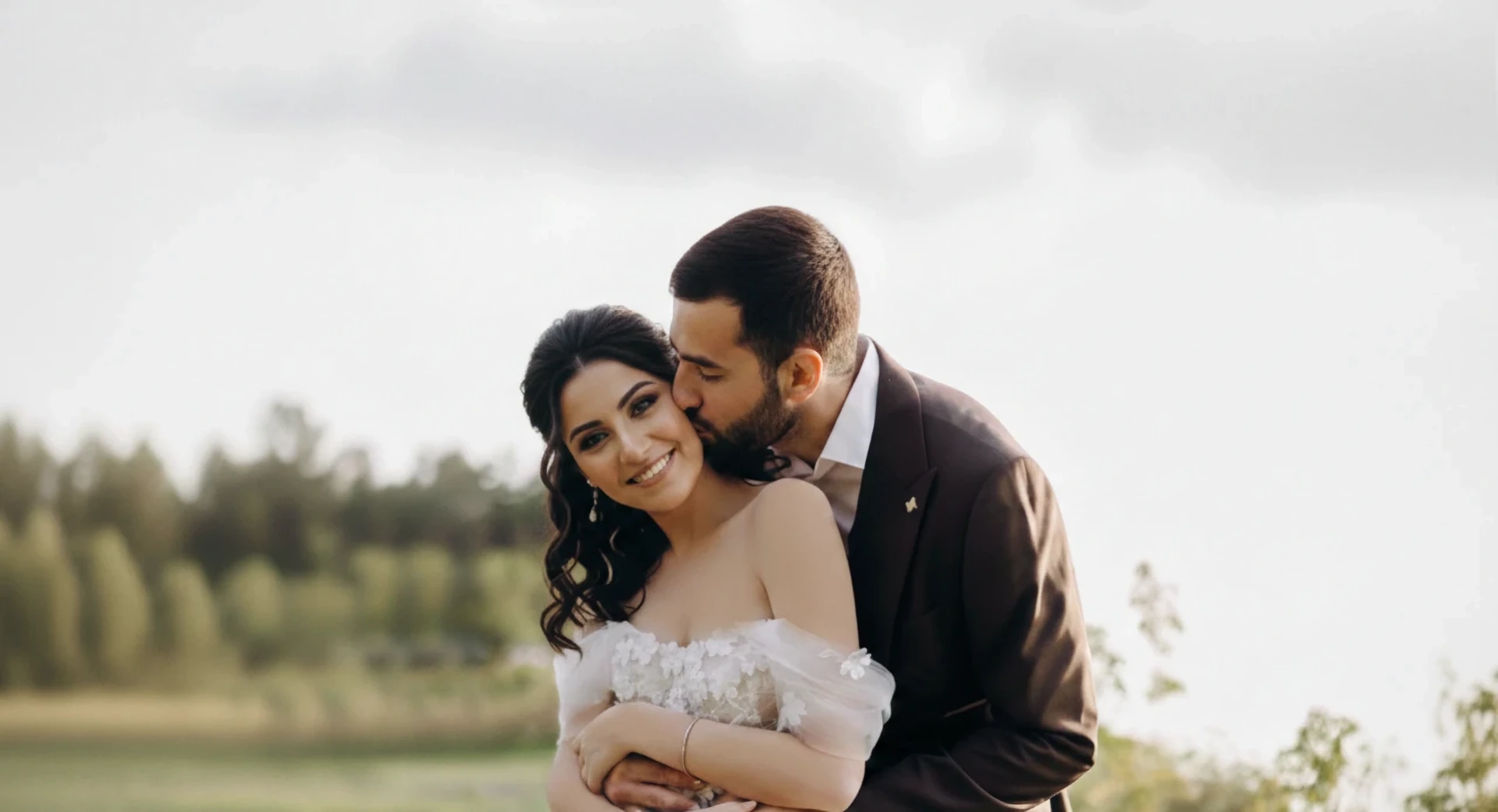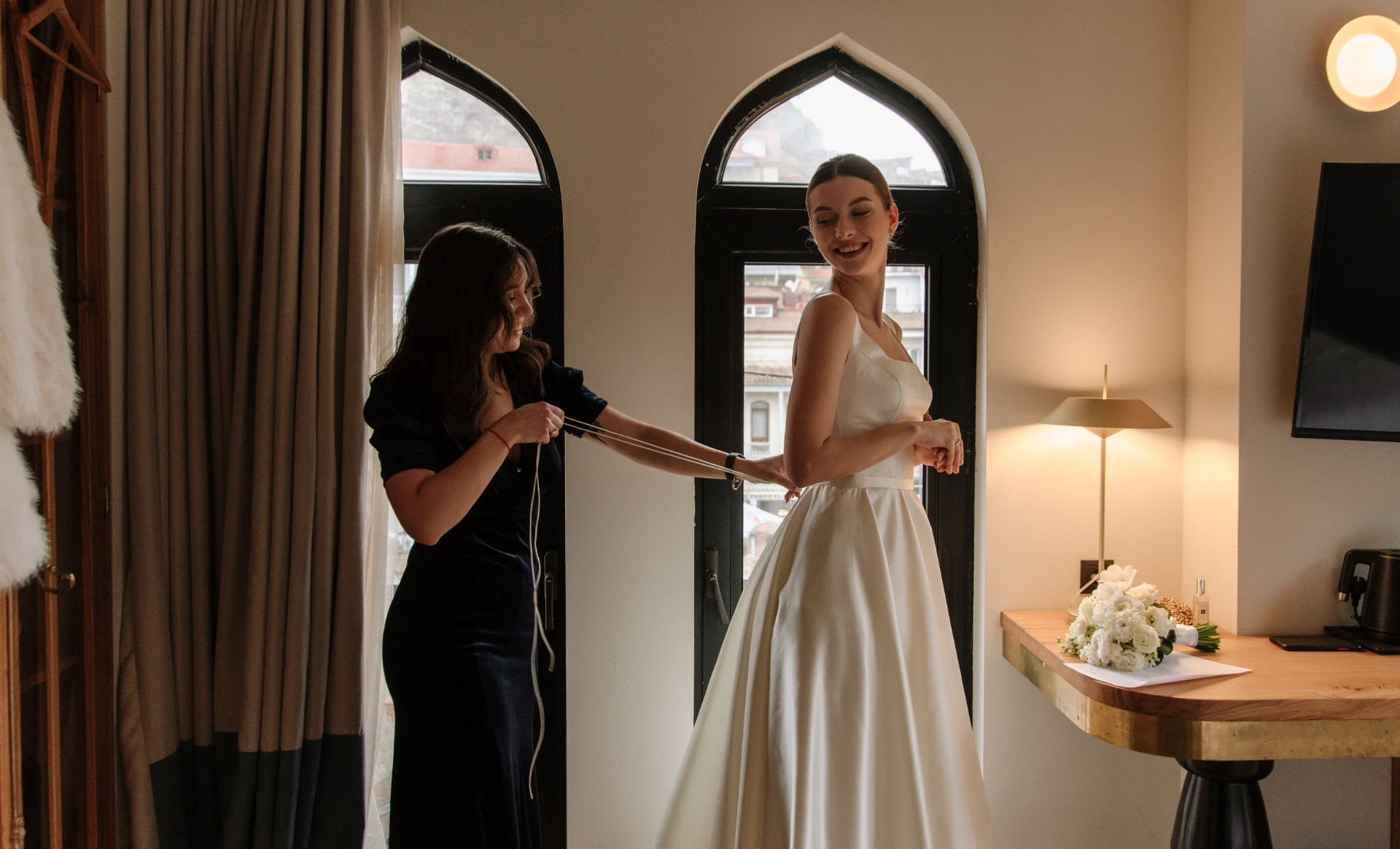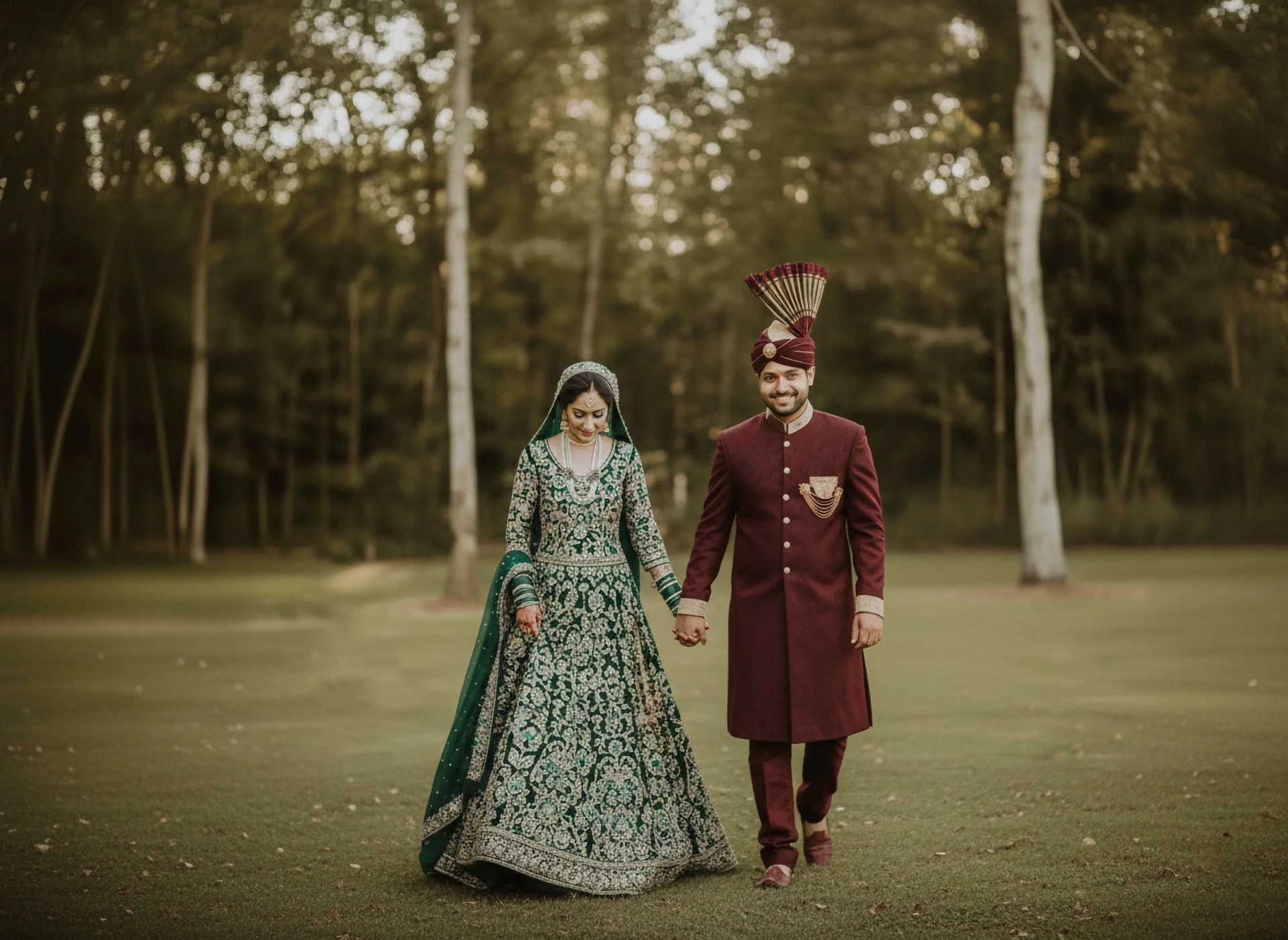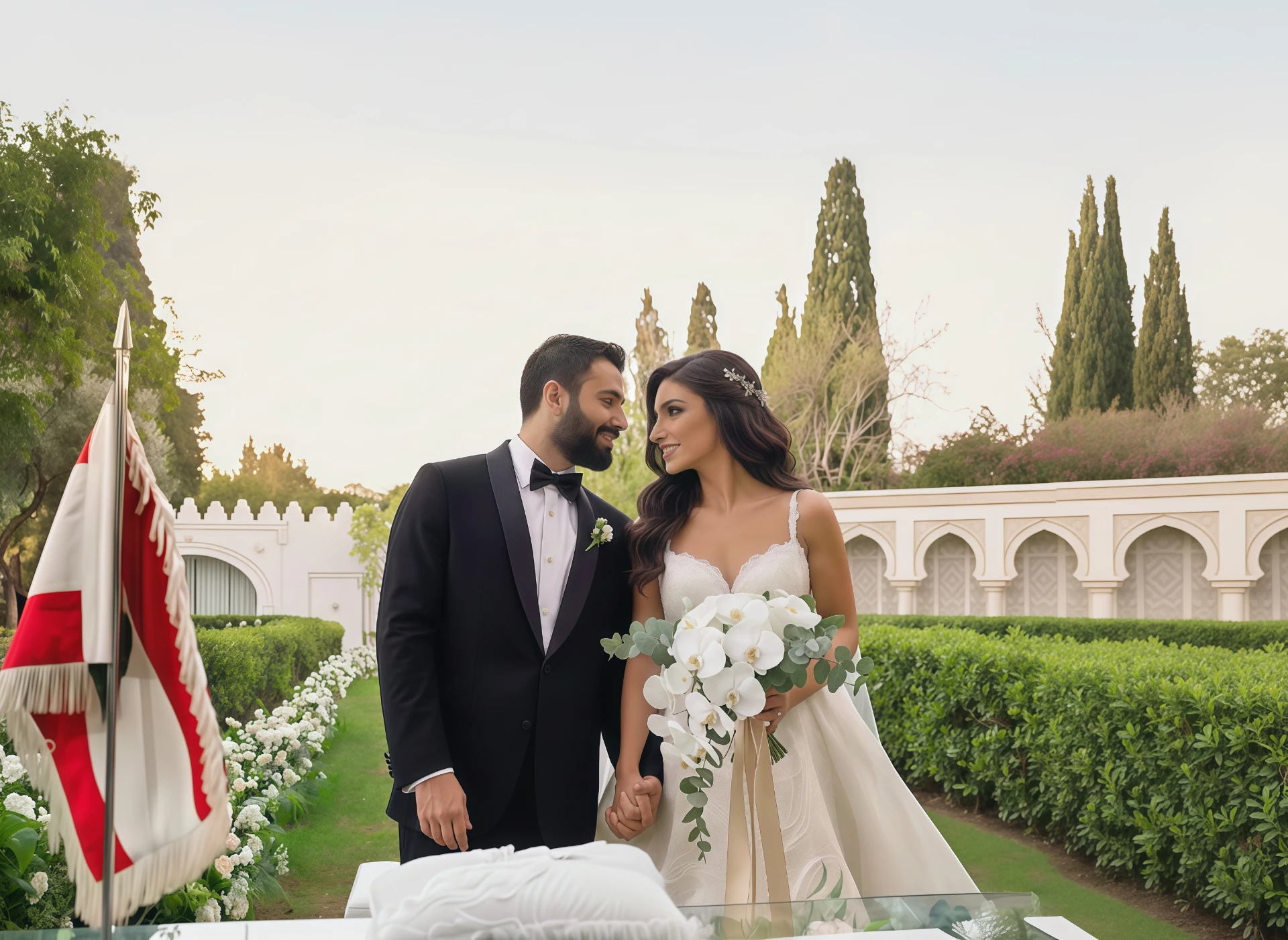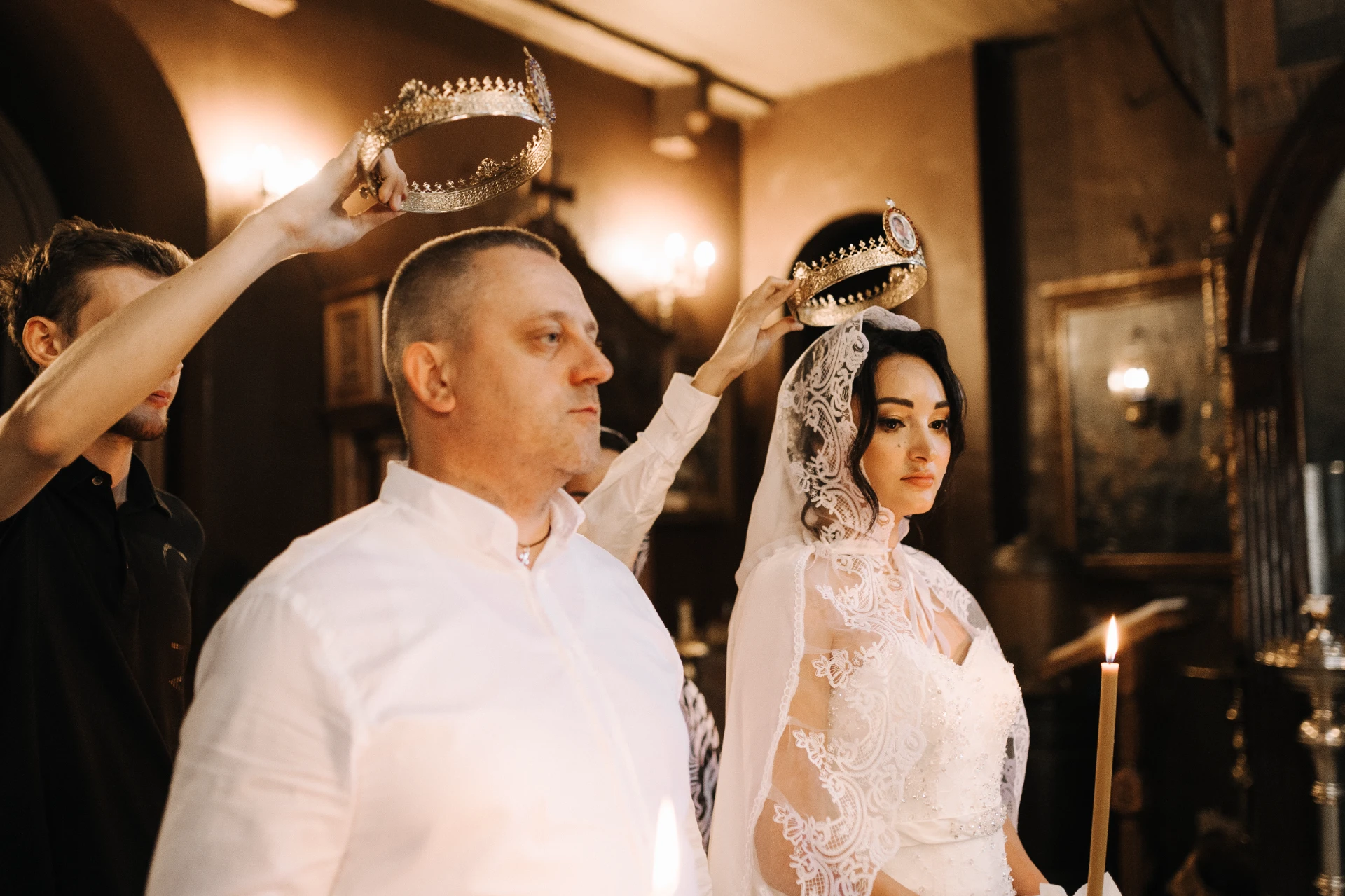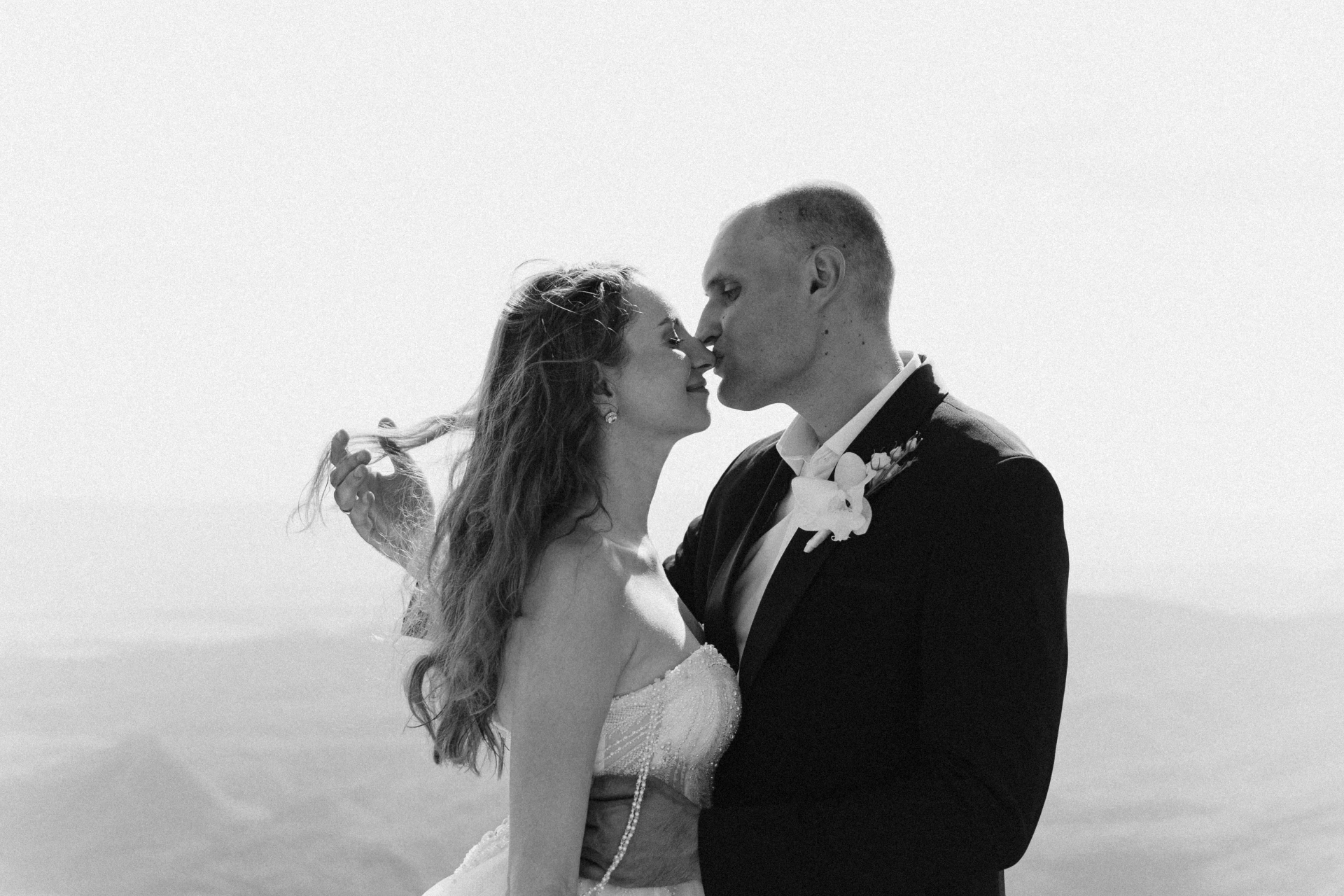

The image of a perfect wedding in Spain – a glass of cava at sunset on the Costa Brava or among the olive groves of Andalusia – quickly collides with reality the moment you open the website of the local civil registry office. The romantic charm fades, giving way to bureaucratic requirements: instead of cake tastings and dress fittings, couples find themselves stuck in endless queues, translations, and documentation demands that can stretch the waiting period for months. Spain’s family law system makes it particularly difficult to legalize a marriage without local residency. What initially seems like a simple administrative procedure turns into an exhausting, unpredictable process with no guaranteed timeline. The Kate&Co Weddings team is convinced that wedding preparation should not feel like preparing for a court case. While European officials review your documents for “validity periods,” we offer a more elegant and fully legal solution – an official marriage registration in Georgia. Here, the process takes just 1–2 days, and the marriage certificate is recognized worldwide, including in Spain. You get a seamless, beautiful destination experience and a fully legalized marital status, while leaving European bureaucracy far behind.
In this article you will learn about
- Why getting married in Spain turns into a long waiting game
- What problems different couples face when applying
- Marriage between two Spanish citizens
- Marriage between a Spanish citizen and a foreigner
- If both partners are foreigners
- Checklist of major bureaucratic obstacles in the Spanish Registro Civil
- Marriage registration in Georgia as a simple and legal solution
- Comparative table: where it is easier to get married – Spain or Georgia
- FAQ: answers to frequently asked questions about getting married abroad
Why getting married in Spain turns into a long waiting game
Waiting times of 6 to 18 months are the shocking reality behind marriage registration in Spain, and no, this bureaucratic marathon is not reserved only for foreigners: Spanish citizens themselves spend a huge amount of time, energy, and nerves in queues at their local Registro Civil (civil registry office). This prolonged system paralysis is the result of strict regulations: couples spend months trying to secure available appointment slots (cita) just to submit documents, then run into mandatory proof of residence (certificado de empadronamiento), and while Spanish officials slowly process the file, foreign documents often expire due to their 3-month validity limit, forcing the entire paperwork process to start from scratch. The final stage that further delays the process is the mandatory separate interview for marriage registration in Spain (audiencia reservada) – a cross-examination designed to detect sham marriages, which turns the most romantic period of a couple’s life into an exhausting legal stress test.
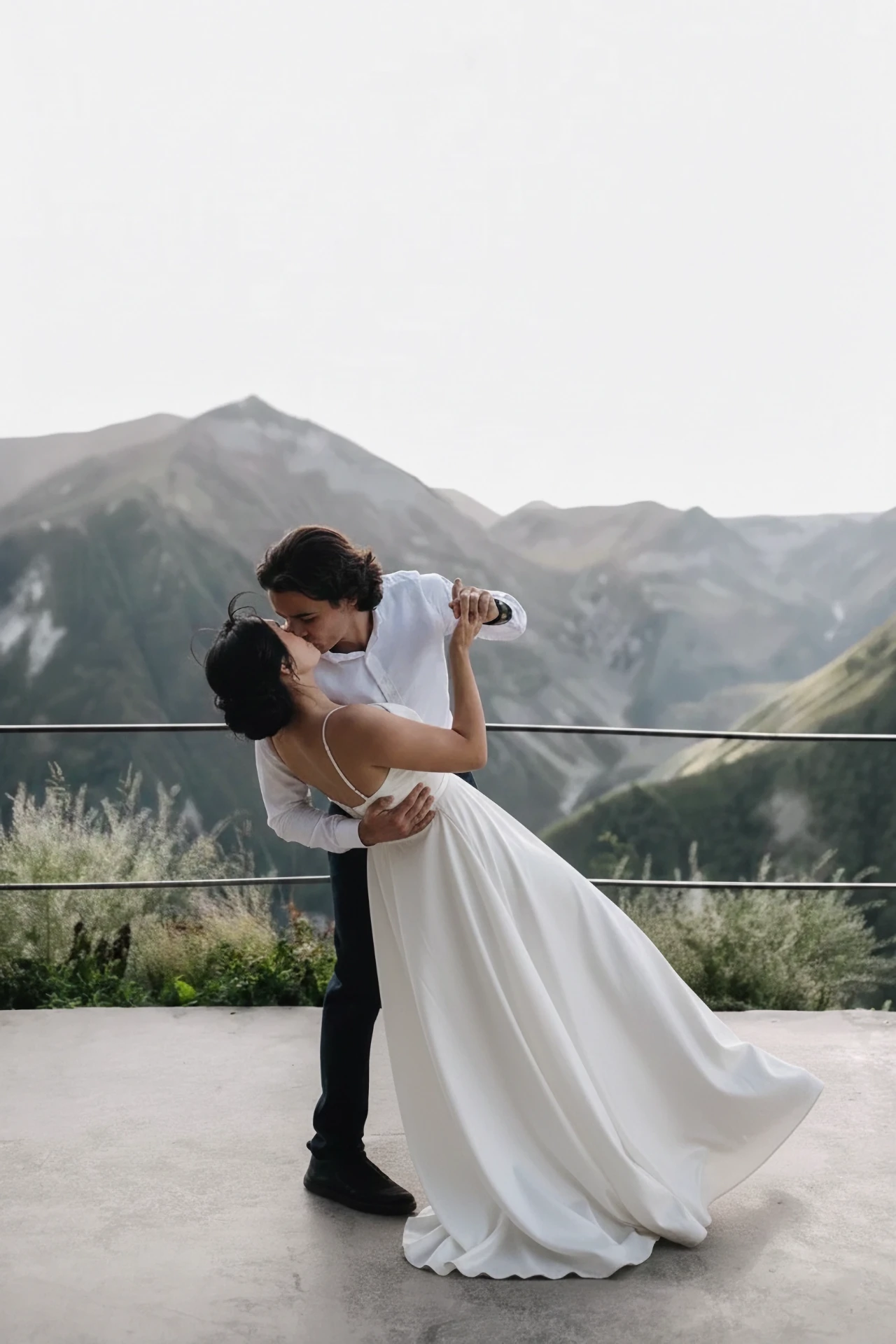
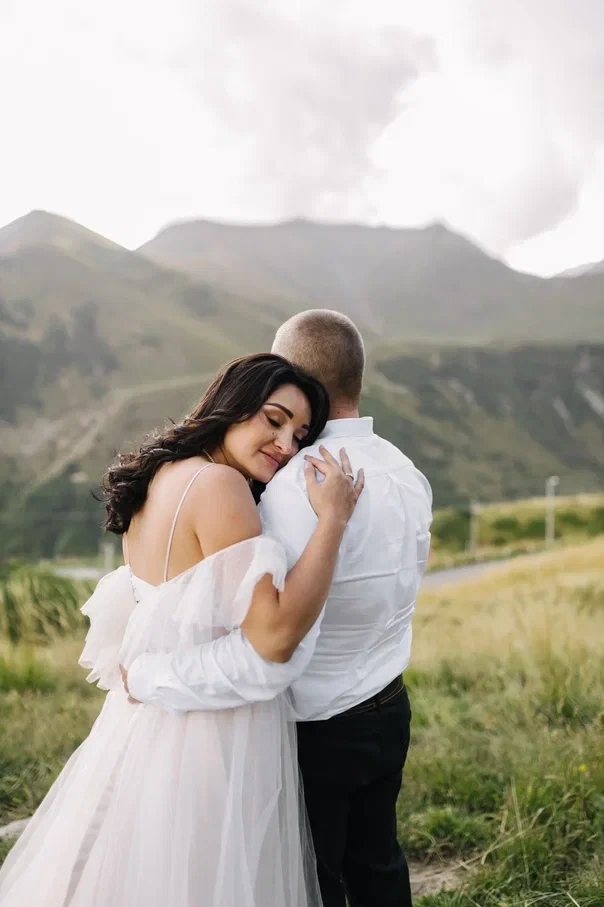
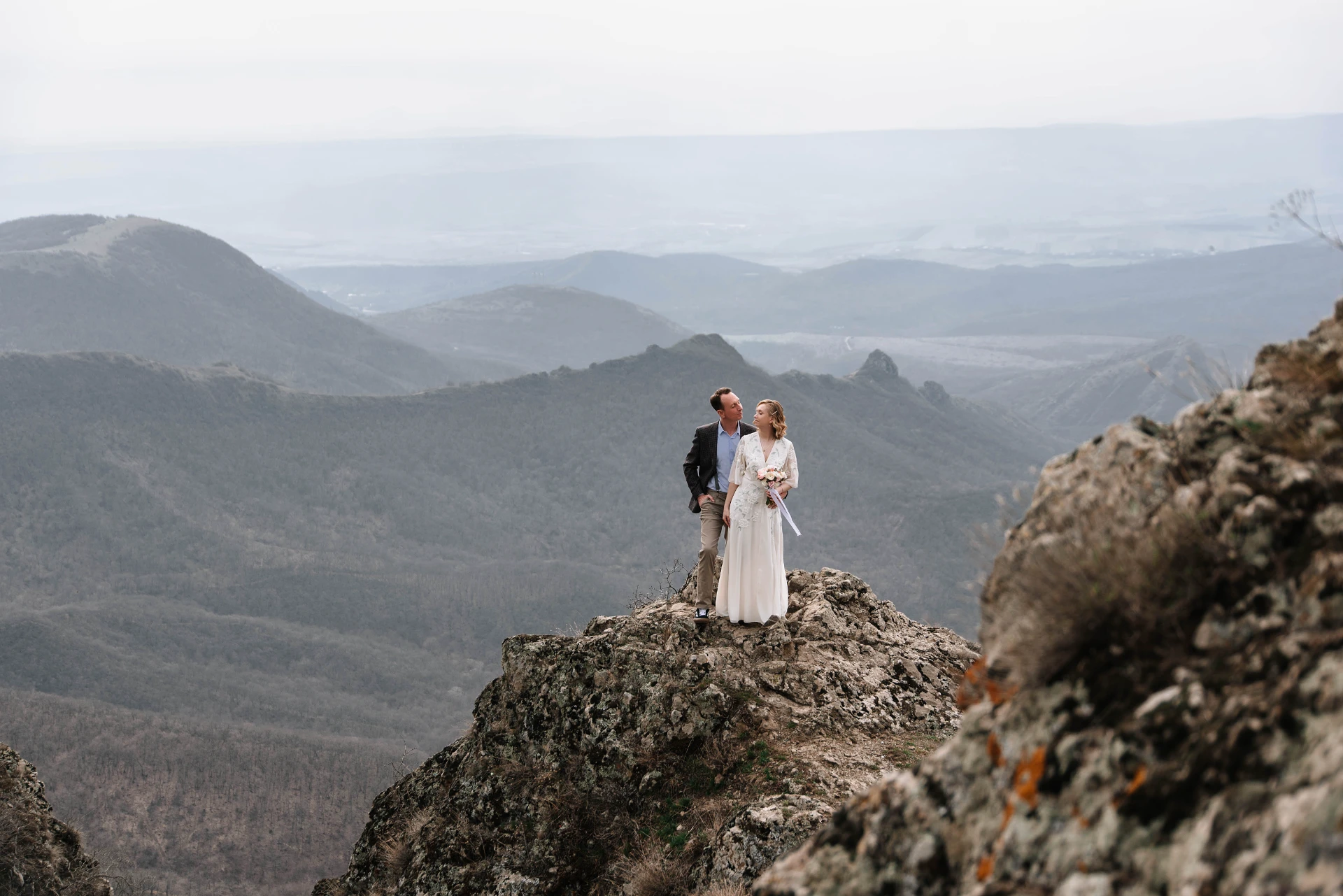 Wedding in the mountains of Georgia for a couple from Spain
What problems different couples face when applying
The Spanish marriage registration system operates on a “presumption of guilt” principle: authorities initially assume that you may be trying to deceive the state. At the same time, the level of bureaucratic pressure depends heavily on the citizenship of the partners.
Marriage between two Spanish citizens
At first glance, if both partners hold Spanish passports, the system should make things easier. However, in reality, even local residents must go through a full bureaucratic process known as an expediente matrimonial. This is a premarital file created by the civil registry to verify the couple’s legal status and background. Main challenges Spanish citizens face at this stage:
- Severe shortage of appointment slots (citas). Couples may spend weeks checking government websites at midnight just to secure a submission appointment.
- Territorial restrictions. Documents must be submitted at the registry corresponding to the official place of residence. If partners live in different regions, logistics become extremely complicated.
- Long processing times. In major Spanish cities, case review moves very slowly. From the moment a couple decides to formalize their relationship to the approval of the ceremony itself, many months may pass, often disrupting planned wedding seasons entirely.
Marriage between a Spanish citizen and a foreigner
When international relationships are involved, Spanish bureaucracy shifts into maximum-suspicion mode. Registering a marriage with a foreign national automatically places the couple under closer scrutiny by immigration authorities, who often assume potential fraudulent intent. What mixed couples must deal with:
- Full legalization process. Birth certificates, marital status certificates, and criminal record checks from the foreign partner’s country must be apostilled or legalized in accordance with Hague Convention rules.
- Mandatory sworn translation (Traducción Jurada). All documents not in Spanish must be translated by a certified sworn translator. Standard notarial translations are not accepted, and traductor jurado services are expensive and time-consuming.
- Language barrier. If the foreign partner does not speak Spanish fluently, the Registro Civil may require an accredited interpreter not only for the ceremony but also for all preliminary stages, including document submission.
If both partners are foreigners
If both of you are coming from abroad and trying to figure out how to get married in Spain, prepare for the most difficult level of this process. For couples without Spanish citizenship, requirements become significantly stricter, and the chances of a fast wedding decrease dramatically. Key conditions imposed by Spanish civil authorities:
- Legal residency requirement. At least one partner must prove legal residence in Spain with an official residence card (TIE). Arriving on a tourist visa and getting married is practically impossible – the Registro Civil will simply refuse to proceed.
- Race against time. Document collection becomes a constant time struggle. While waiting for one certificate from your home country, another document may already be close to expiration due to the strict three-month validity rule.
- Bureaucratic deadlock. Foreign consulates in Spain often have long internal queues, making it extremely difficult to align all required documents into a complete application package without legal assistance.
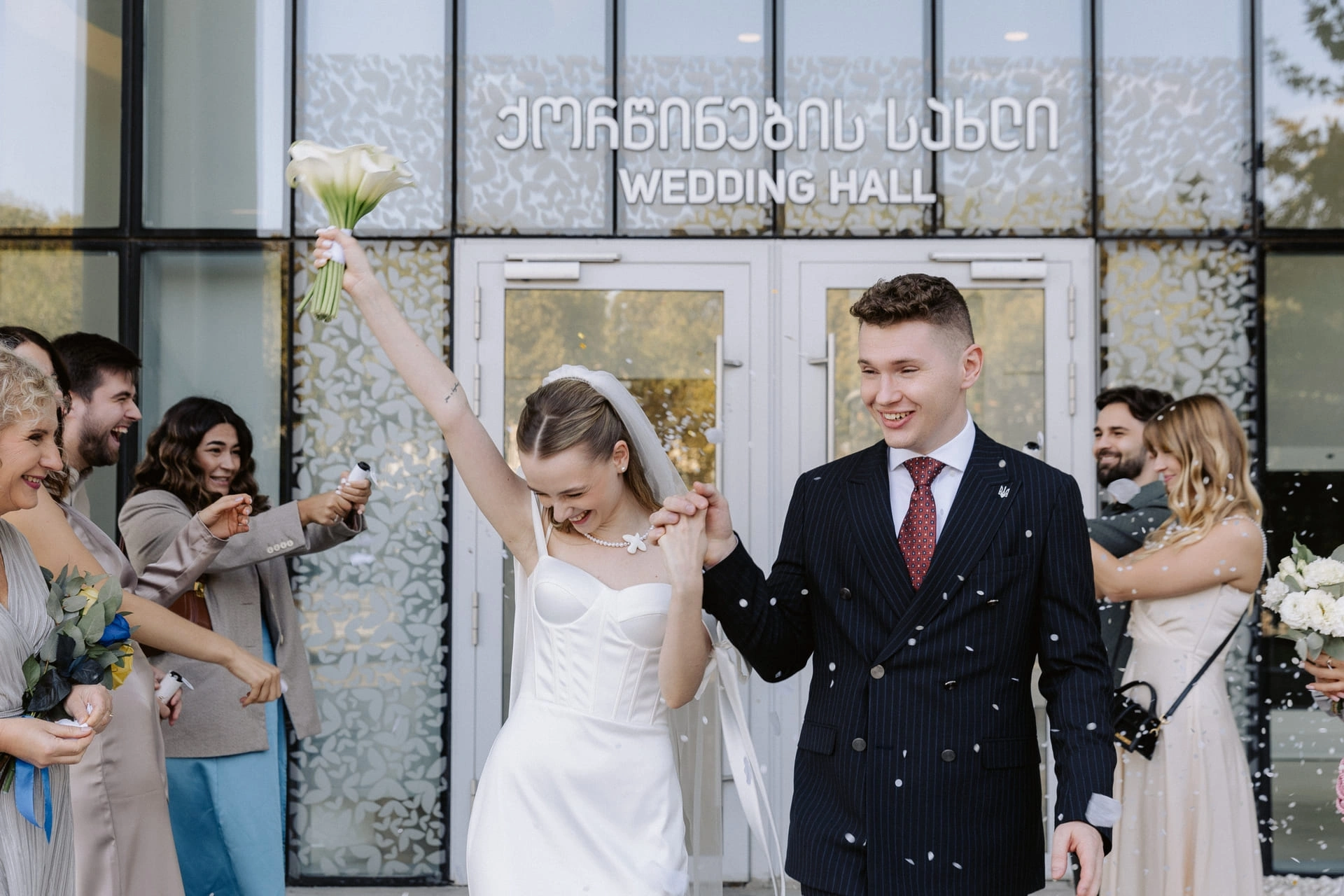 Official marriage registration in Georgia for foreigners
Checklist of major bureaucratic obstacles in the Spanish Registro Civil
Before taking the decisive step of starting your paperwork for the Spanish civil registry, it is worth realistically assessing your time and energy. The Registro Civil is not just an office – it is a massive bureaucratic machine operating under strict rules, where even the smallest mistake or delay can result in immediate rejection. Here is a realistic checklist of what you will inevitably face if you decide to get married in Spain:
- Strict 90-day document validity. All certificates from your home country must be “fresh.” Since Spanish authorities may take months to process your application, your documents can easily expire mid-process, forcing you to start over.
- Apostille requirement. Ordinary notarized copies are not enough. Every document issued outside Spain must be apostilled in its country of origin before it is even considered.
- Sworn translation (Traducción Jurada). Spanish registries do not accept translations done abroad. All documents must be translated by an officially certified sworn translator in Spain, adding both cost and time.
- Lack of appointment availability. Walk-in applications are impossible. Securing a submission slot on government portals becomes a long and exhausting process that can take weeks or even months.
- Mandatory certified interpreter. If one partner does not speak Spanish well enough, the registry legally requires an official interpreter for both the preliminary interview and the wedding ceremony itself.
- Mandatory in-person presence and strict scheduling. No online submissions or representation by proxy. You must personally attend appointments during limited morning hours, adjusting your life, work, and travel plans to the civil service schedule.
A long list of requirements for what is supposed to be the happiest day of your life, isn’t it? This is exactly the moment when couples naturally ask themselves: why spend months fighting bureaucratic barriers in Spain when you can obtain a fully legal marital status much faster and in a far more beautiful setting?
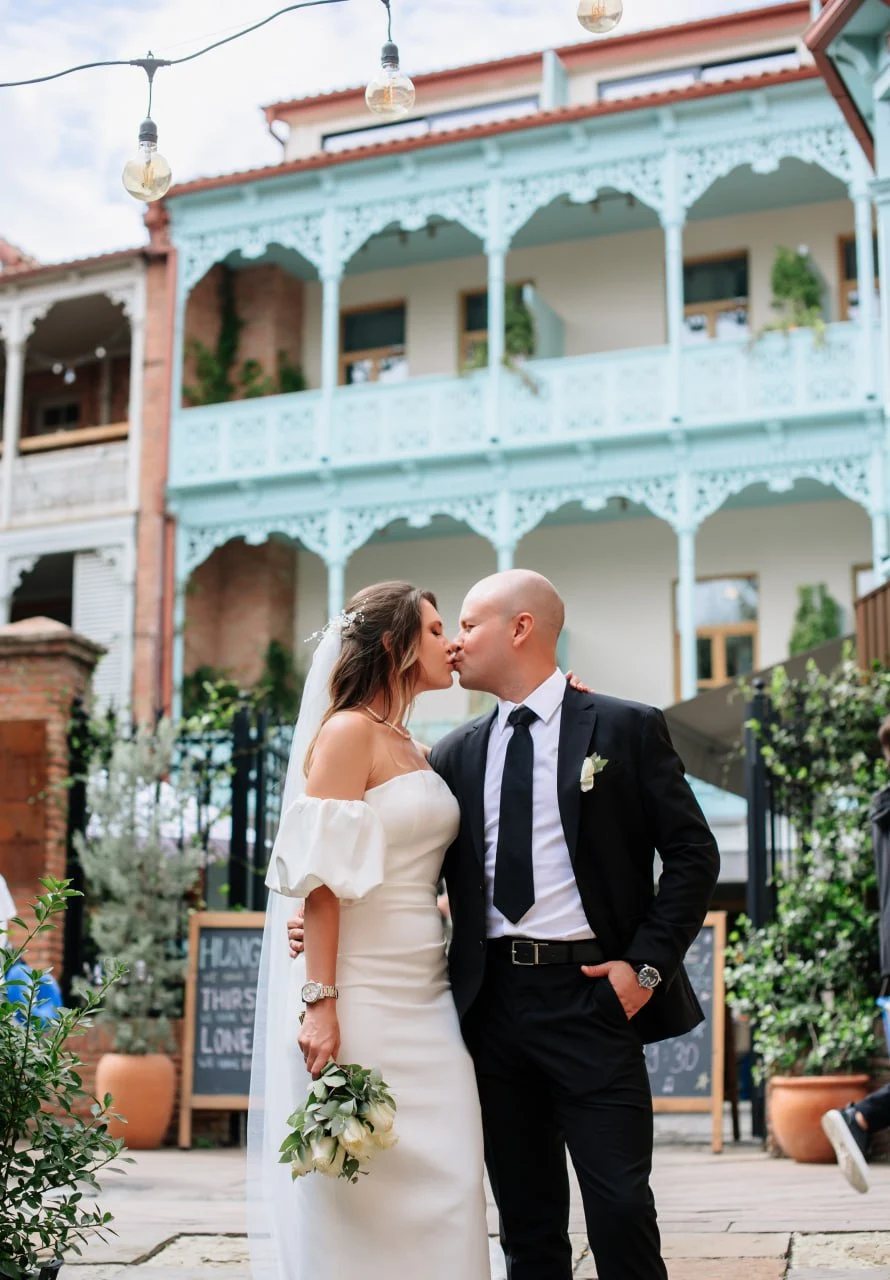
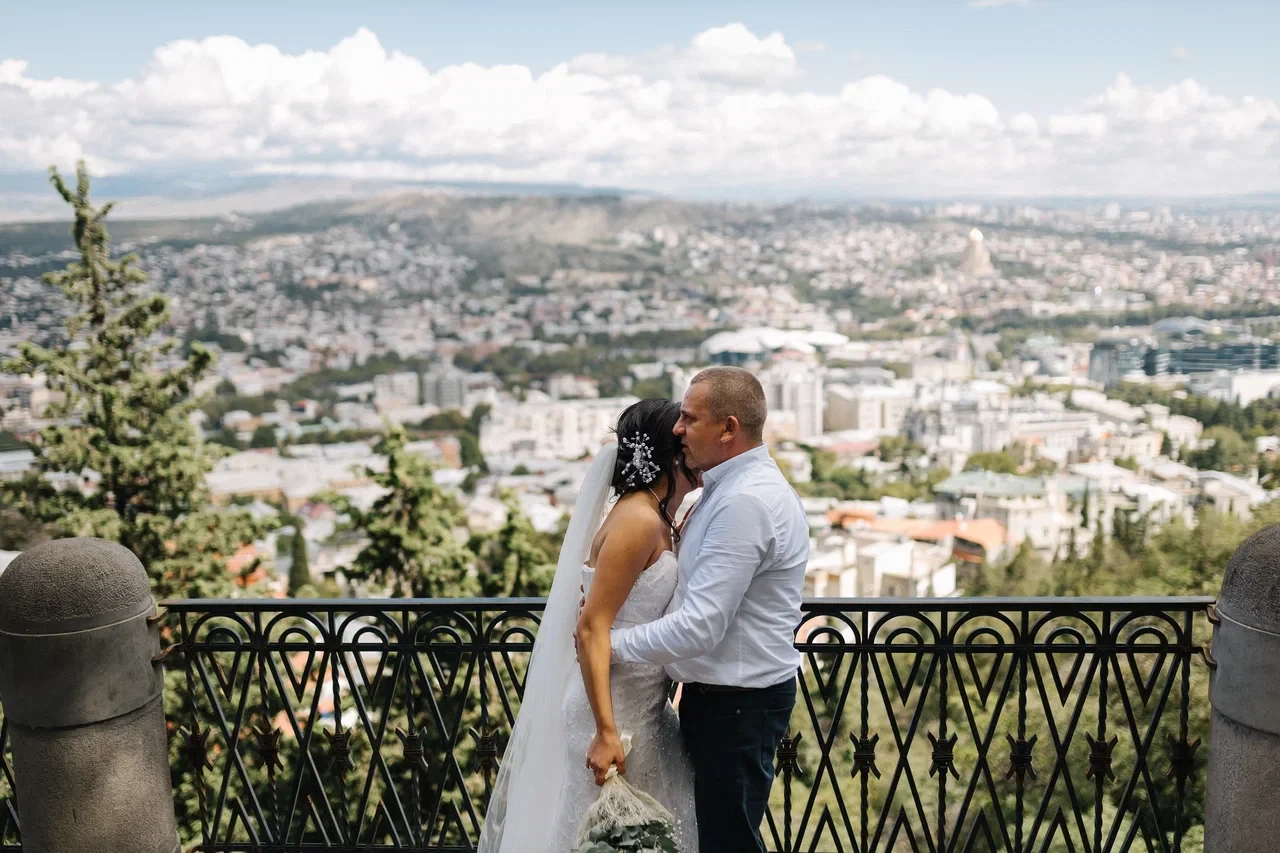
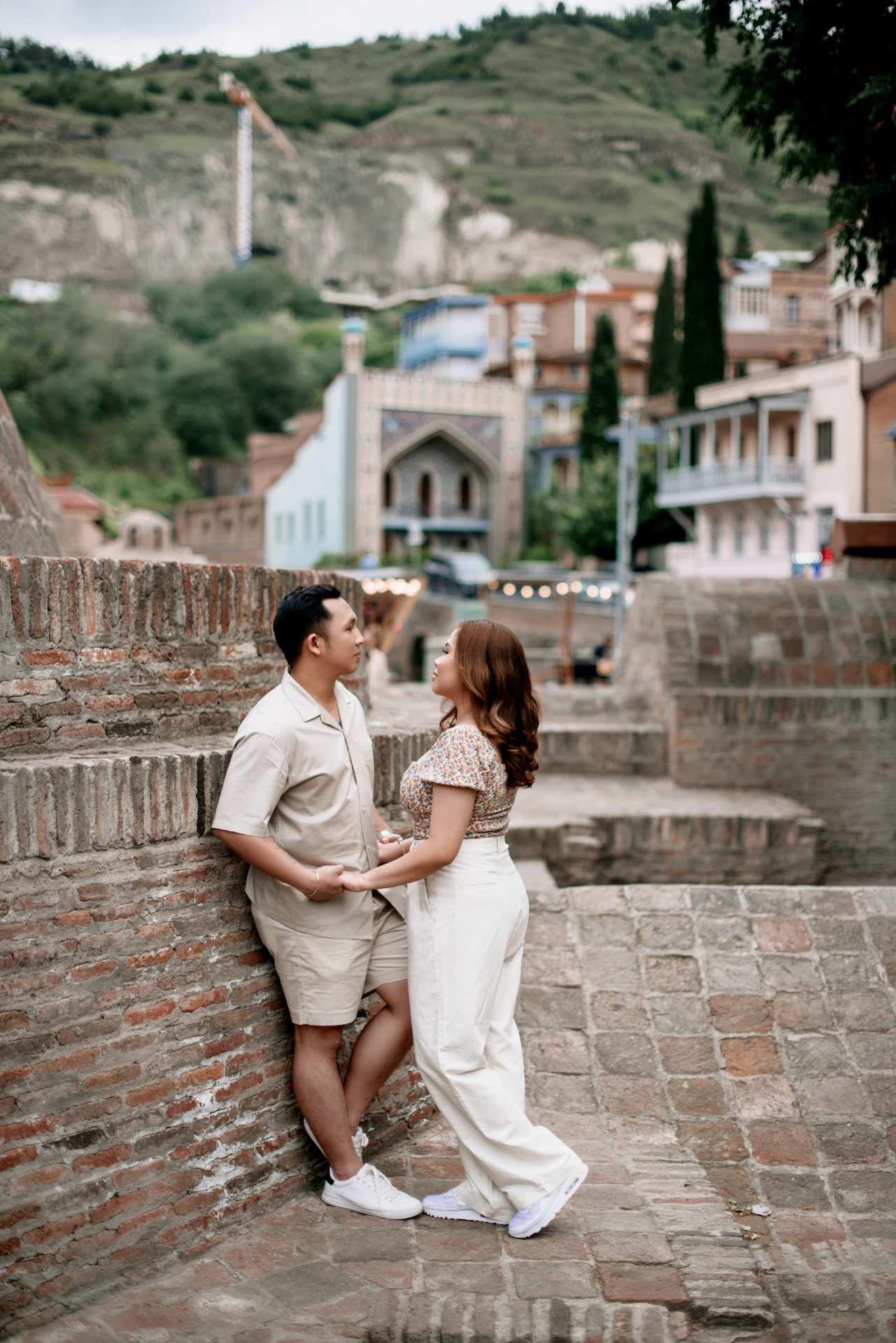
 Wedding in Tbilisi for Spanish citizens
Marriage registration in Georgia as a simple and legal solution
Now take a breath, close the Spanish Ministry website tab, and look slightly to the right on the world map. While Spanish officials are carefully examining the dates on your documents under a microscope, Georgia has created one of the most progressive, welcoming, and legally robust systems for couples from around the world. Official wedding in Georgia for foreigners is not just a compromise – it has become a global trend. The country has evolved into an international hub for foreign couples precisely because the state does not interfere in your private life, but instead helps you legalize it without unnecessary stress, delays, or interrogations.
Main advantages of Georgia’s jurisdiction for couples
If in Spain you are essentially required to prove your right to love through legal scrutiny and administrative checks, in Georgia the system works in the opposite way. That is why thousands of couples each year choose Tbilisi, Batumi, or Sighnaghi instead of Madrid or Barcelona:
- Official marriage in one day. This is not a marketing slogan but an actual legal framework of the Georgian Public Service Hall. You arrive, register your marriage, and within just 24 hours leave as legally married spouses.
- Zero bureaucratic pressure. There are no months-long appointment hunts or residency requirements. The option to get married in Georgia quickly is available to absolutely everyone, regardless of citizenship, religion, or residency status.
- 100% legal worldwide recognition. A Georgian marriage certificate has the same international legal force as any EU-issued document. After standard apostille or consular legalization, your marriage is fully recognized in countries including Spain, the United States, Russia, and virtually anywhere in the world.
- Turnkey wedding service with zero stress. The Kate&Co Weddings team handles the entire process – from advance application submission via power of attorney to transfers, document translation, witness coordination, and full support at the Public Service Hall. You simply enjoy the moment and each other.
 Wedding planning in Georgia for foreign citizens with Kate&Co Weddings
Documents required for marriage registration in Tbilisi or Batumi
Remember that endless Spanish checklist with expiring documents? In Georgia, it can be reduced to just a few items. To officially register your marriage at the Tbilisi Public Service Hall or in Batumi, you will need:
- Valid international passports of both partners (as well as a notarized Georgian translation, which is fully handled by our team).
- Divorce certificate or death certificate of a previous spouse – only if this is not your first marriage. The document must be apostilled or legalized in the country of issuance.
And that’s it. No certificates of marital capacity, no criminal record checks, no medical tests, and no separate interrogations. Georgian jurisdiction respects your time, your feelings, and your right to be together here and now.
Our unforgettable moments


Comparative table: where it is easier to get married – Spain or Georgia
To finally clear away any remaining doubts, let’s briefly set emotions aside and look at the legal facts. Engagement is a unique period that should be filled with anticipation, choosing rings, and planning a honeymoon – not endlessly monitoring government websites in search of available appointment slots. We have compared the key marriage registration conditions in both countries in 2026 so you can clearly see the scale of bureaucratic complexity.
| Comparison criterion | Marriage registration in Spain | Marriage registration in Georgia with Kate&Co Weddings |
| Processing time | From 2–3 months in smaller districts to 6–18 months in major cities or through consulates. | From 1 day. Everything is prepared remotely in advance, while the registration itself takes only a few hours. |
| Residency requirements | Mandatory. At least one partner must hold residency/citizenship and official registration (certificado de empadronamiento). | None. Only legal entry into the country with a valid passport is required. |
| Document validity period | Critically short – only 3 months for most foreign documents from the date of issue. | No strict limitation. The main requirement is that passports are valid at the time of entry. |
| Required documents | Extensive: certificates, criminal record checks, certificado de capacidad matrimonial, proof of residence. | Minimal: only international passports and (if applicable) divorce documents. |
| Verification of relationship legitimacy | Mandatory strict separate interview (audiencia reservada) with personal questions. | None. No interrogations, psychological scrutiny, or suspicion from the state. |
| Entry requirements | Schengen visa required. | Visa-free entry for citizens of 90+ countries. Mandatory travel insurance for the entire stay. |
| Language barrier | All procedures strictly in Spanish. A certified sworn translator (traductor jurado) is required. | Document translations are handled by our agency. The ceremony and paperwork are supported in a comfortable multilingual format. |
| Global legal recognition | Standard EU marriage registration. | Universal recognition. The certificate is apostilled and fully accepted in Spain and worldwide. |
This table clearly illustrates why hundreds of couples revise their original plans every year. Trying to get married in Spain independently is a long-term bureaucratic project that requires enormous patience, frequent visits to government offices, and constant monitoring of expiring documents. At the same time, Georgia offers a transparent and comfortable system where your marriage is registered quickly, without unnecessary questions or suspicion.
With Kate&Co Weddings, this difference becomes even more noticeable. We turn a legal procedure into a smooth, beautifully organized turnkey wedding experience. While our team remotely prepares your documents, translates them into Georgian, submits the application, and arranges witnesses, you can simply pack your bags and plan your celebration. You deserve a wedding that begins with a smile – not with a queue at the Registro Civil.
What would you like?

FAQ: answers to frequently asked questions about getting married abroad
Is a Georgian marriage certificate recognized in Spain?
Yes, without exception. Both Georgia and Spain are parties to the Hague Convention, which means the recognition procedure is fully standardized. To grant the document official legal validity in the EU, an apostille is required, issued by the Ministry of Justice in Tbilisi, followed by a sworn translation into Spanish. This basic legalization of the marriage certificate makes it fully valid for all Spanish authorities, including immigration services for subsequent residence permit applications.
Are witnesses required for marriage registration in Georgia?
Yes, under local law, at least two witnesses must be present at the official registration at the Public Service Hall. However, this should not worry you: if you are planning a romantic elopement for just the two of you, the Kate&Co Weddings team fully handles this requirement. We provide official witnesses who sign all necessary documents while preserving the privacy and intimacy of your celebration.
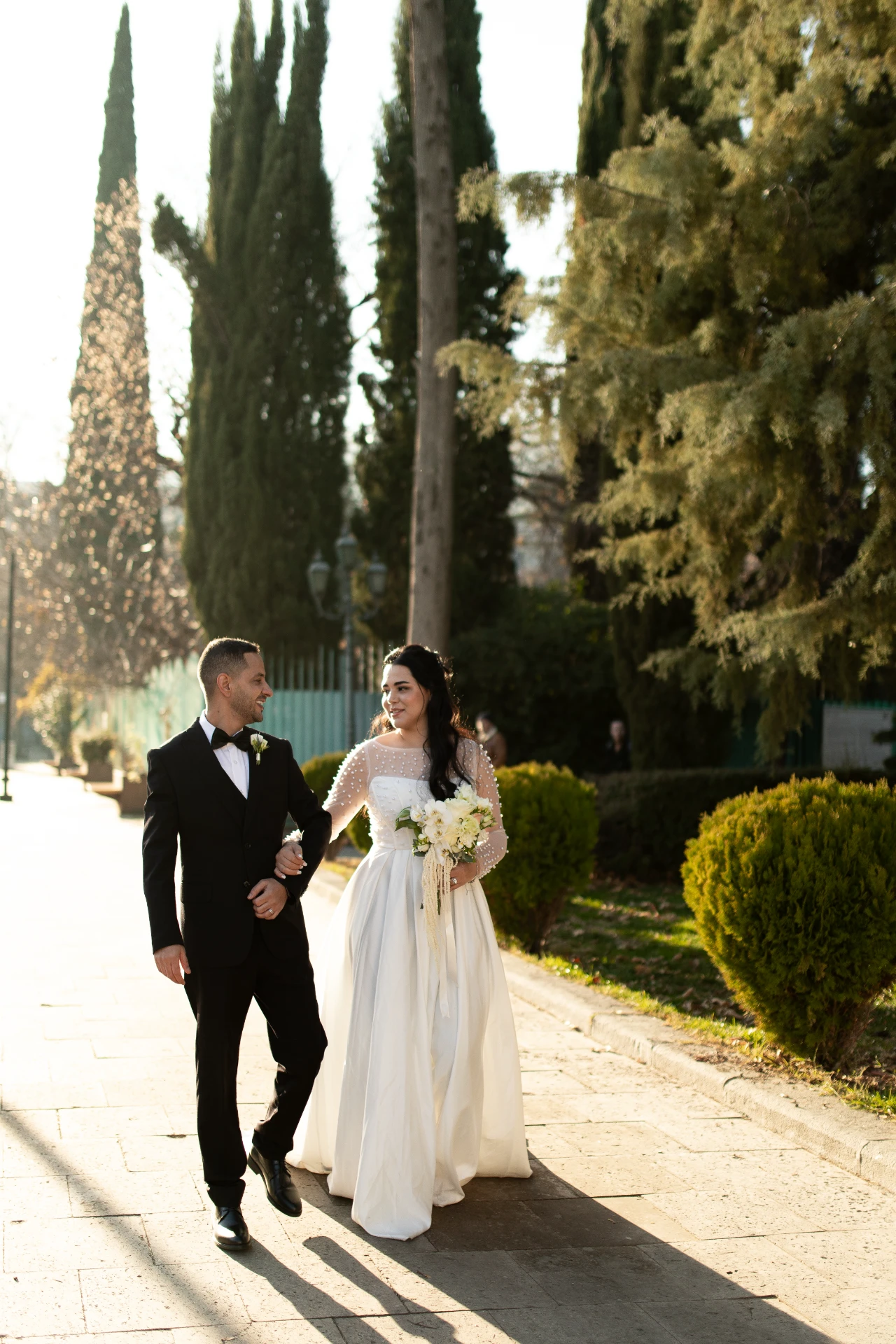
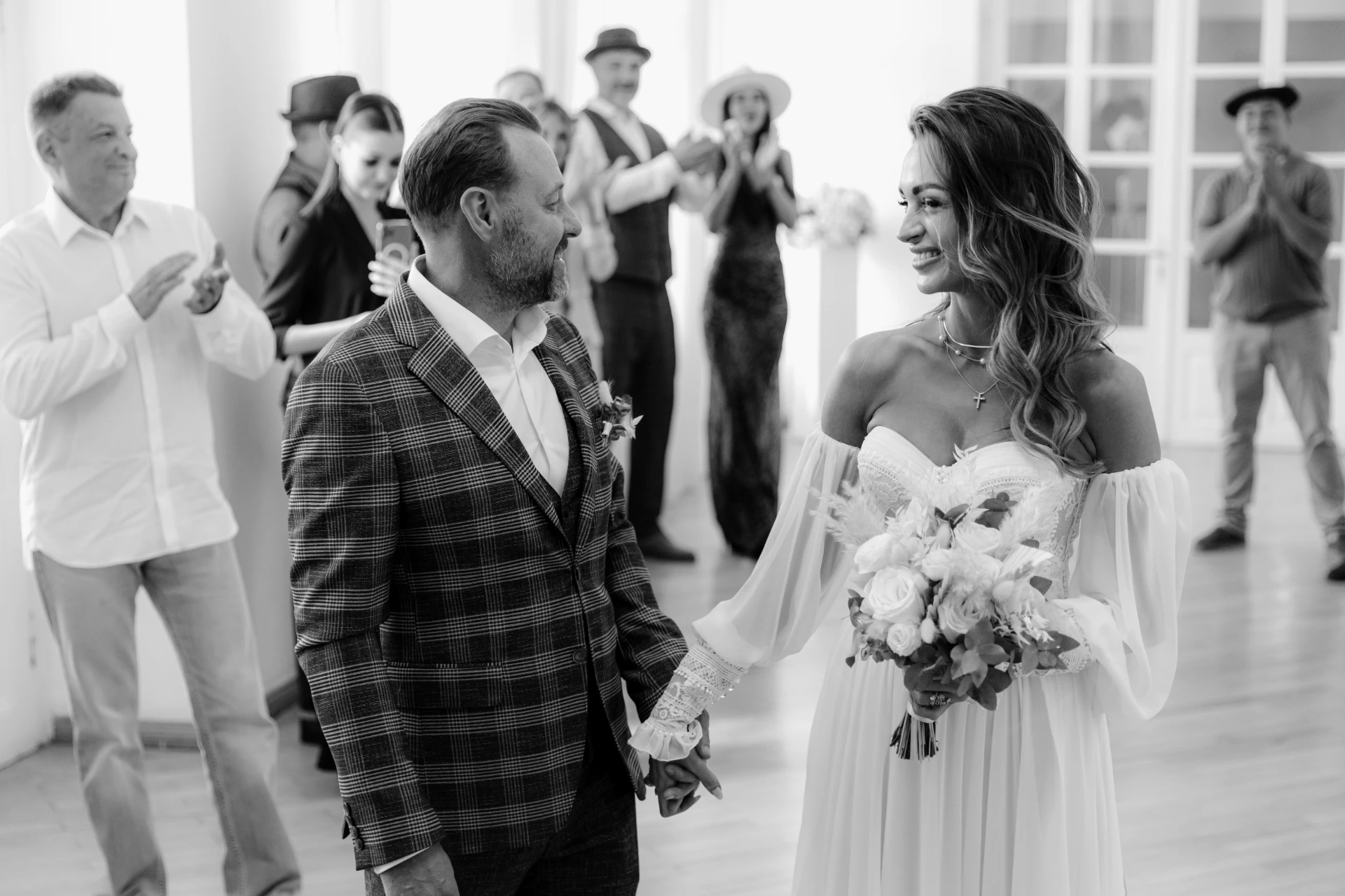 Wedding registration in Sighnaghi for a couple from Spain (Spanish citizen and Belarusian citizen)
Do I need a certificate of no marriage from my home country?
No, and this is one of the key advantages of Georgia. Unlike Spain, where a certificate of marital status is a mandatory and often problematic document, Georgia does not require foreign citizens to prove that they are not married in their home country. The only requirement, if you have been previously married, is to provide an original divorce certificate or a death certificate of a former spouse with an apostille. If this is your first marriage, only valid international passports are needed.
Conclusion
Bureaucratic labyrinths should not overshadow the beginning of your family story. When choosing between months of exhausting waiting in Spain and a fast, legal marriage registration in Georgia in just one day, the choice clearly favors your peace of mind and comfort. Allow yourself to simply enjoy the anticipation of your celebration, and entrust all legal procedures, translations, and paperwork to professionals. Contact the Kate&Co Weddings team today, and we will carefully guide you through the entire process, creating a flawless and elegant dream wedding in the heart of Georgia.