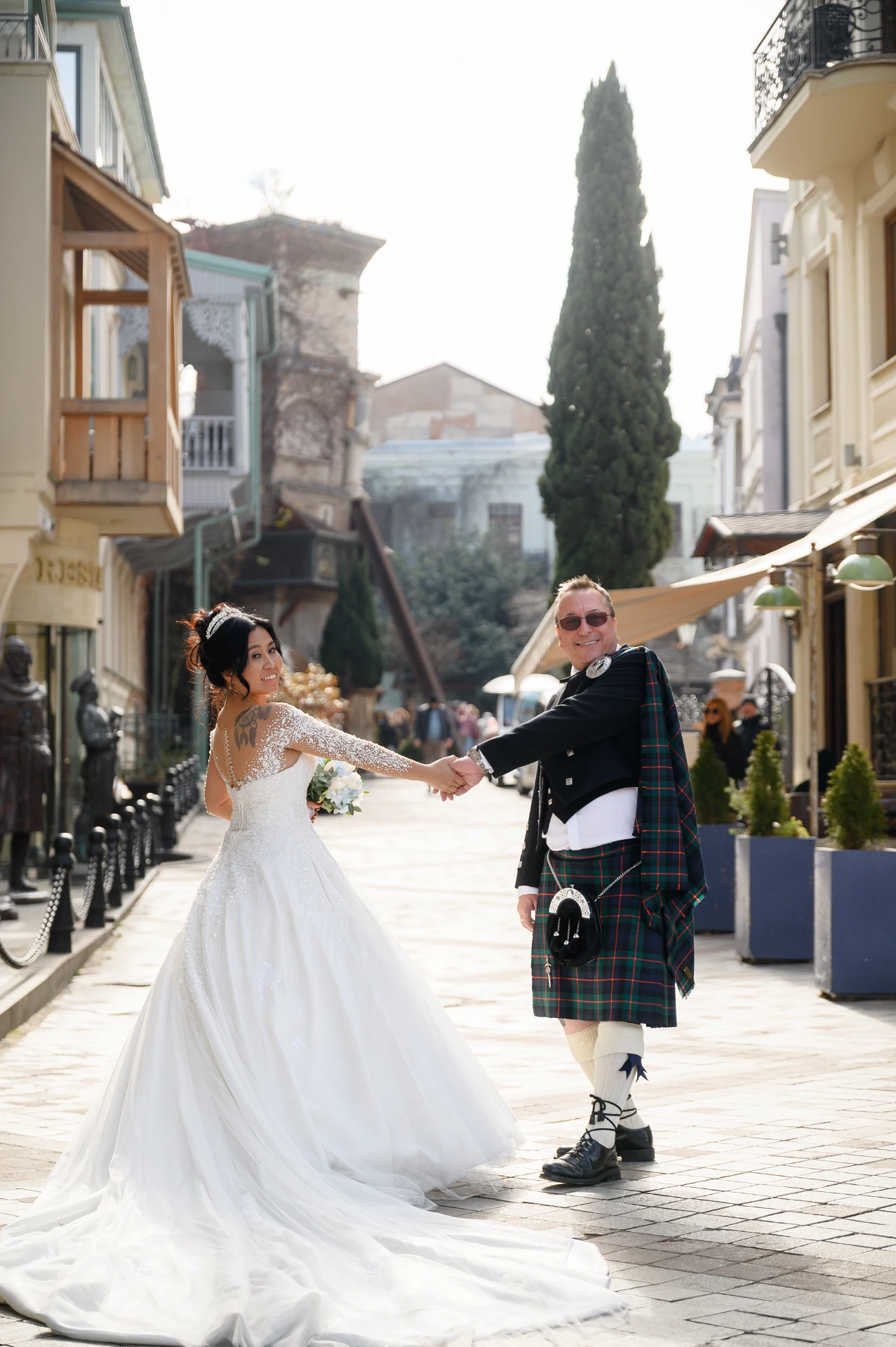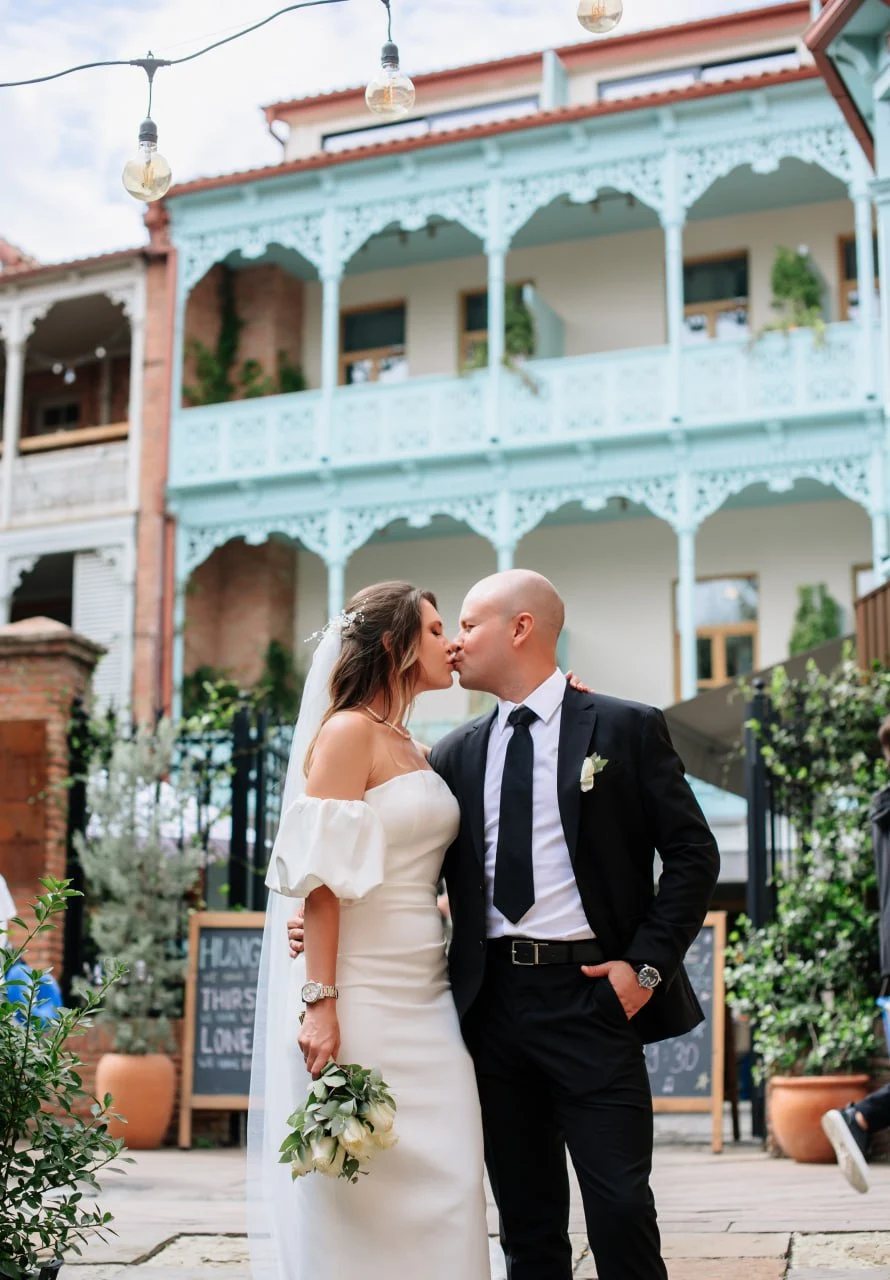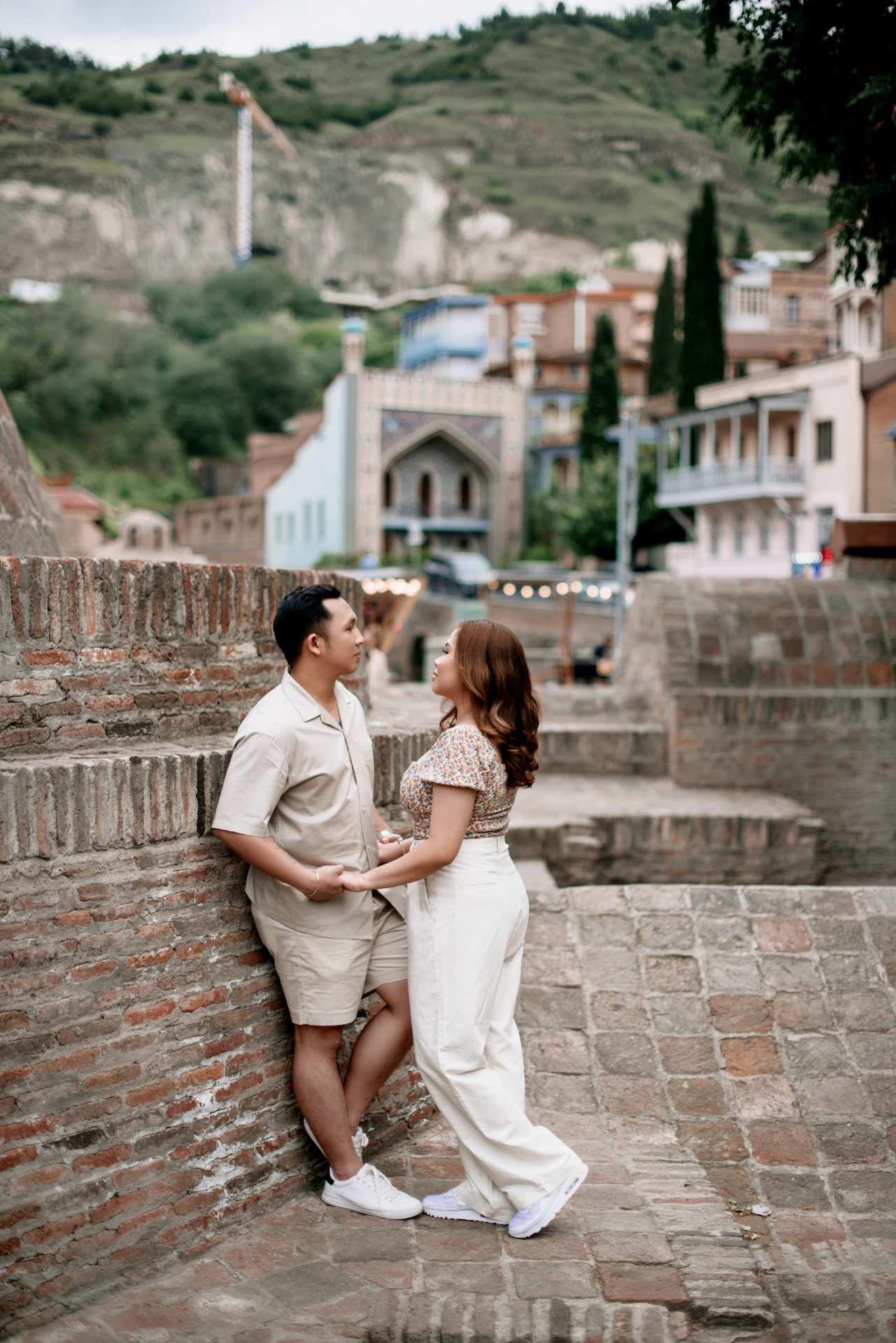


Love doesn’t choose religion, citizenship, or a convenient moment – it simply happens. But when it comes to paperwork, many interfaith couples face a reality far removed from romance: endless certificates, demands to change one’s faith, or strict prohibitions in their home countries. In 2026, the world is still full of bureaucratic barriers, but that’s no reason to give up on the dream of a wedding. If one partner in your couple is Muslim and the other is Christian, official marriage registration shouldn’t become a test of endurance. That’s why the wedding abroad format has become a lifeline for thousands of couples in love. This is not a story about dry forms, but about the freedom to be together here and now, without bending to someone else’s rules. In this article, we will honestly explain which countries in 2026 are open to your union, and why you should never give up on the dream of having your relationship legally recognized.
Why challenges arise
At the engagement stage, differences in faith rarely seem insurmountable. But once Muslim and Christian couples get married officially – not just symbolically – they encounter a whole layer of legal and religious norms that many didn’t even know existed. It is at this moment that romance gives way to questions of law, marriage recognition, and legitimacy across different countries. The first challenge arises because in several Muslim-majority countries, family law is based on Sharia law. This means that the marriage registration process is governed not only by civil norms but also by religious prescriptions. In the context of interfaith marriage in Islam, there are clear distinctions that directly affect the possibility of entering into a union.
For example, marriages between a Muslim man and a non-Muslim woman are allowed in some countries, but with conditions. The woman must belong to the “People of the Book” (Christianity or Judaism), and the marriage is often registered through religious authorities rather than civil offices. This automatically complicates wedding organization: it requires the involvement of an imam, religious documents, and family permissions. The situation becomes significantly more complicated when it comes to a union between a Muslim woman and a non-Muslim man. In most interpretations of Sharia law, such marriages are prohibited. In practice, this means:
- Refusal to register the marriage in the bride’s country;
- Requirement for the man to officially convert to Islam;
- Impossibility of state recognition of the marriage;
- Legal risks for children (citizenship, guardianship, inheritance).
For many couples, this becomes a dead end: either one partner must go against their conscience and faith, or the wedding turns into endless waiting for a miracle. That is why professional wedding organization for such couples begins not with choosing decorations, but with finding a country where your faith is a personal matter, not a government form. Attempts to “bypass” the system in countries with strict rules often end in wasted time, money, and, most sadly, disappointment and stress just before the most important day.
 Organizing a wedding in Georgia for interfaith couples
Benefits of officially registering a Christian-Muslim marriage
For many interfaith couples, official marriage is not just a formality – it’s a matter of safety, rights, and the future of the family. This becomes especially acute when partners are connected to countries where family law is governed by religious norms, such as the UAE, Saudi Arabia, Iran, and other Muslim countries. In many of these jurisdictions, unregistered or religiously non-compliant unions are effectively not recognized. This can affect everything: from living together to visas, insurance, childbirth, and inheritance rights. That is why the decision to marry abroad for a Christian–Muslim couple often becomes not a matter of preference, but a necessity. Official marriage registration outside strict religious systems gives couples legal protection that they may not be able to secure at home. We are talking about basic yet critically important rights:
- Recognition of the marriage by government authorities;
- The possibility of living together and obtaining sponsorship visas (especially relevant in the UAE);
- Legal rights concerning children;
- Access to healthcare and insurance as a married couple;
- Protection of property and inheritance interests.
For couples connected to countries like Saudi Arabia or Qatar, registering their marriage abroad becomes the only realistic way to legalize their relationship without requiring a change of religion or undergoing lengthy religious procedures. Moreover, a foreign civil marriage, when properly legalized, is fully recognized by state authorities, even if it was conducted outside the religious system. There is also a practical aspect. When a couple officially formalizes their union abroad, they receive a universal legal document that can be legalized, translated, and used in different countries – for immigration, opening joint accounts, purchasing property, or obtaining residency.
Our unforgettable moments
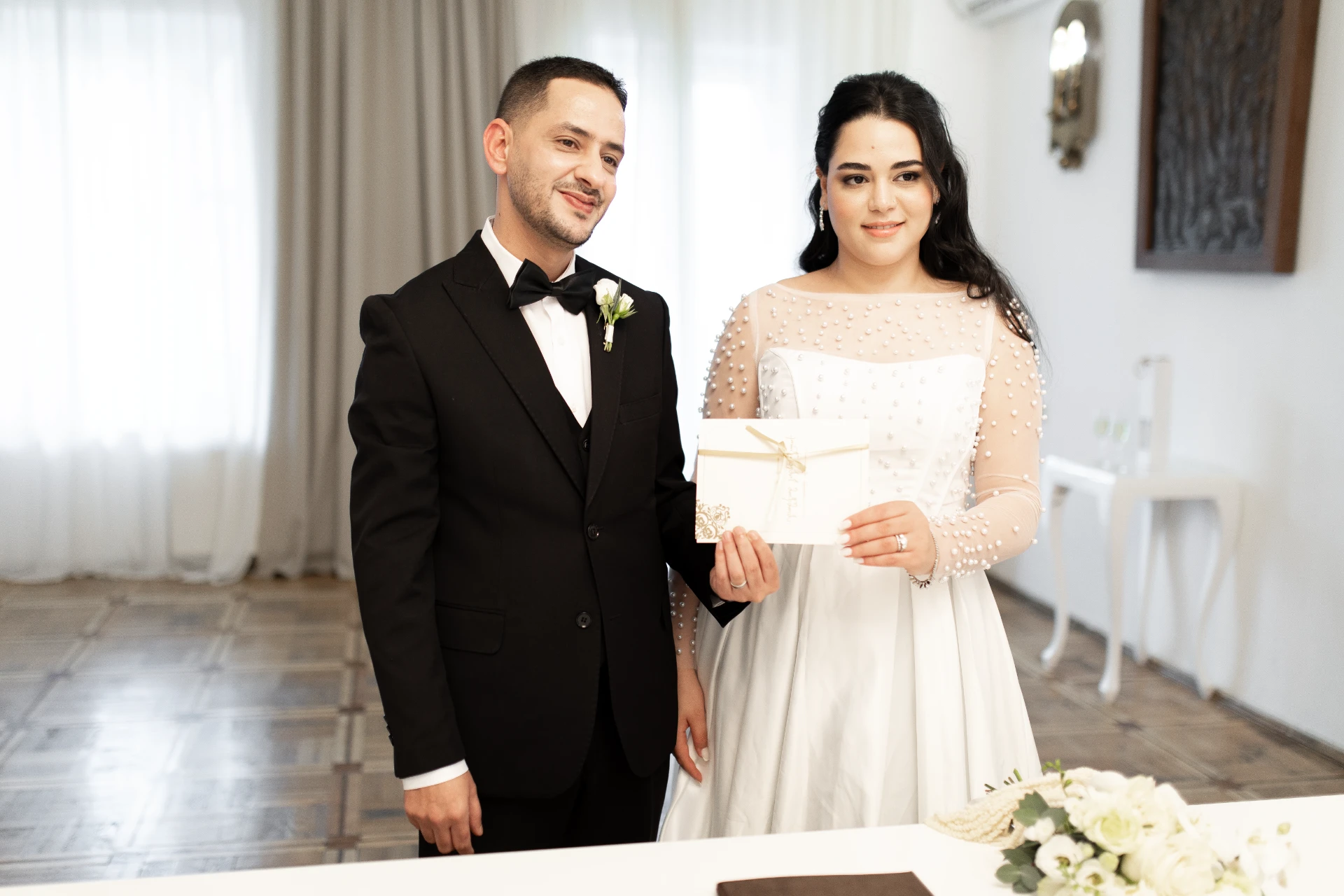
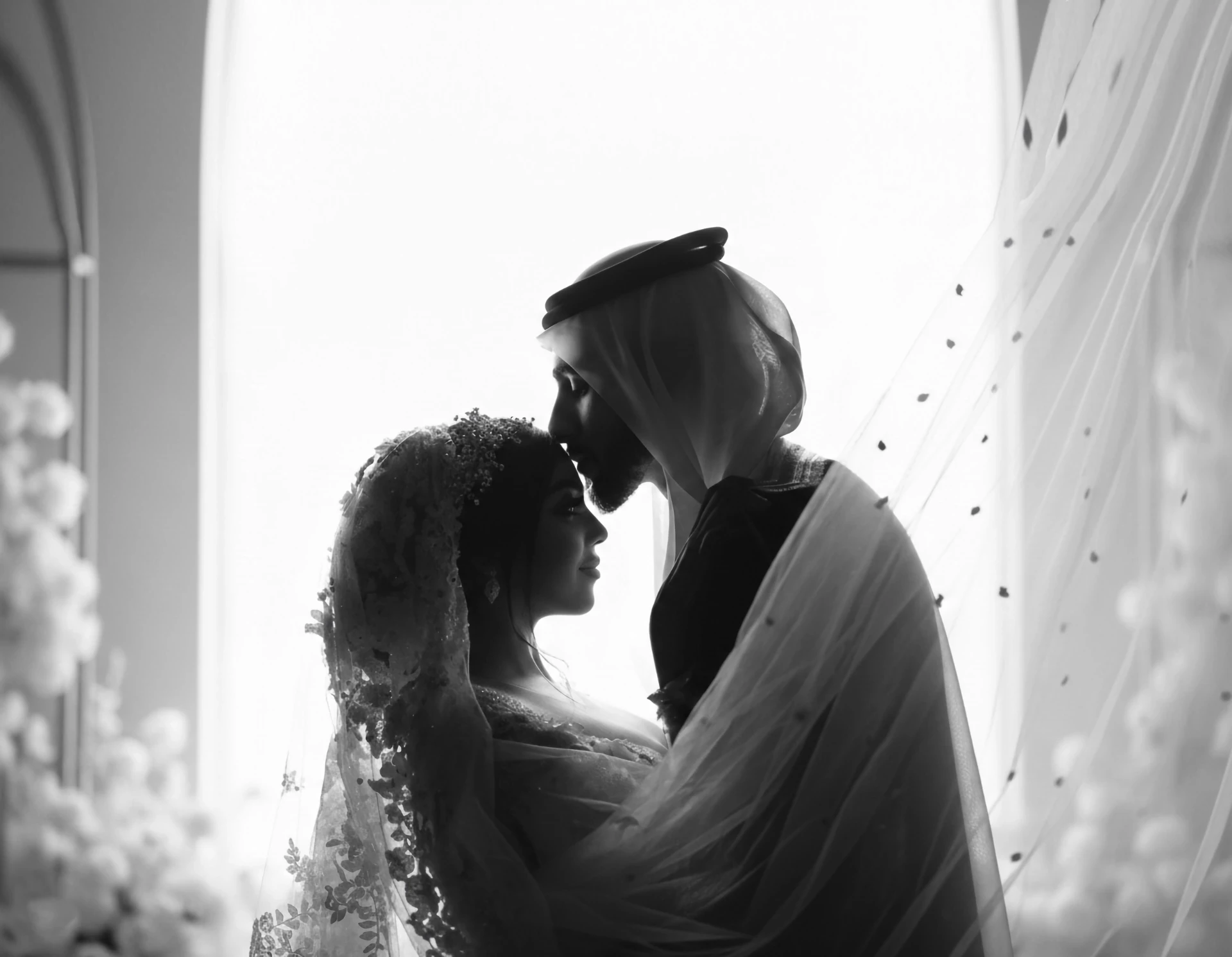

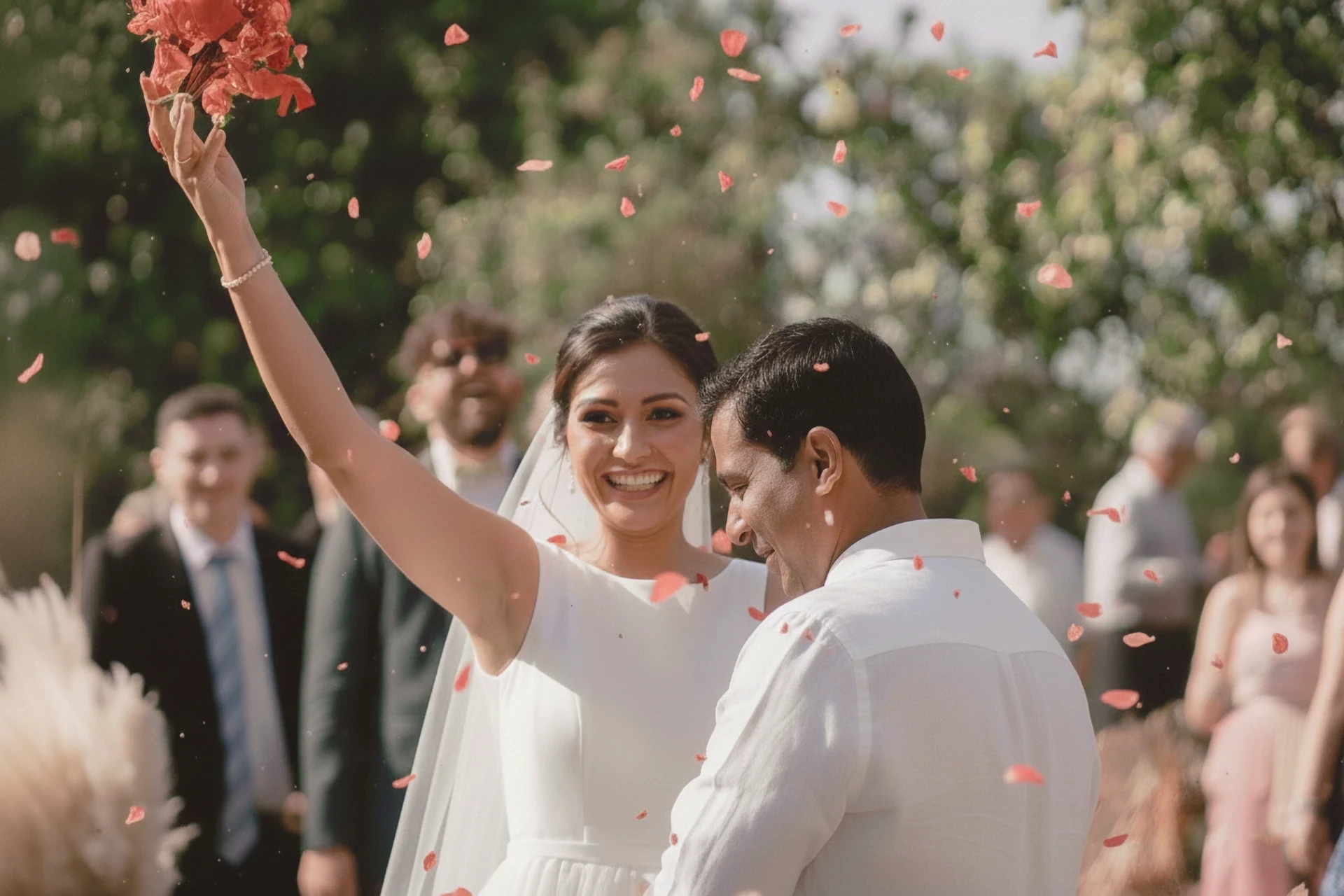
Countries where a Christian-Muslim wedding can be registered
We fully understand the legal and organizational challenges that interfaith couples face. In the practice of Kate&Co Weddings, such stories are not the exception – they are an everyday reality. The world is vast, but when it comes to a union between Christians and Muslims, the list of places where everything can proceed smoothly and officially narrows significantly. We have selected a few countries where marriage registration in 2026 is genuinely possible, though each comes with its own nuances.
Georgia
For most foreign citizens, Georgia today is one of the most welcoming countries in the world when it comes to marriage registration. Here, the state system is based on secular civil law, which means that the religion of the spouses does not affect the possibility of entering into a union. That is why interreligious marriage is registered on equal terms – without requiring a change of faith, without involving religious institutions, and without additional permissions. This is crucial for Christian–Muslim couples, especially if their countries of origin fall within the list of more conservative jurisdictions. An additional advantage is that, unlike many Christian countries, where interfaith marriage may be formally allowed but the procedure can take months, in Georgia, registration is possible in the shortest time frame – just 1–2 days. Key reasons why foreigners choose this destination include:
- No religious restrictions;
- Possibility of registration without a residence permit;
- Minimal documentation requirements;
- International recognition of the marriage;
- Fast processing times.
In fact, Georgia serves as a neutral legal territory, where the state views marriage purely as a civil act – regardless of the religion of the parties involved.
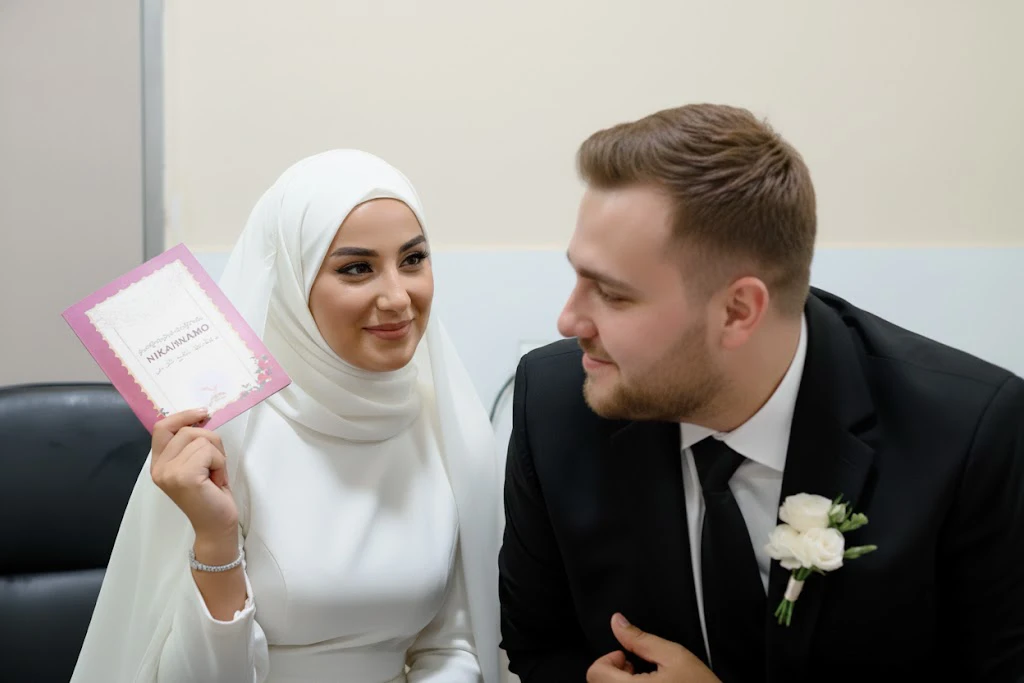 Official marriage registration with a Nikah ceremony in Georgia for foreign couples
Czech Republic
The Czech Republic also belongs to the list of European countries where Christians and Muslims can officially register their union under civil law. Interfaith marriages are permitted here; however, the process is more formalized and requires careful preparation of documents. Unlike faster jurisdictions, local registration authorities strictly adhere to legal requirements for marriage, which can affect both the timing and complexity of the procedure. Couples generally need to consider:
- Advance submission of documents;
- Notarized translations;
- Proof of marital status;
- Possible waiting for a ceremony date;
- Requirements for legalization of certificates.
Despite the more bureaucratic process, the Czech Republic remains a legally reliable European destination for registering a Christian–Muslim marriage, especially for couples aiming for EU recognition and alignment with the European legal system.
Seychelles
The Seychelles have long been one of the most popular destinations for international weddings, where official marriage registration is available to foreigners regardless of their faith. The local legislation is secular, so marriages between Christians and Muslims are legally permissible and registered on equal terms. One of the key advantages is the relatively simple document submission process and the possibility of combining legal registration with a ceremony by the ocean. However, despite its outward appeal, this destination comes with practical considerations that couples should plan for in advance:
- Mandatory preliminary stay in the country (usually several days);
- Higher costs for registration and logistics;
- Limited number of registration dates at popular locations.
The Seychelles are ideal for couples for whom not only legal recognition matters, but also a strong destination wedding experience. Nevertheless, in terms of speed and administrative simplicity, there are more accessible alternatives.
 Marriage registration in Georgia for couples: Christian and Muslim
Cyprus
Cyprus has traditionally been considered one of the most sought-after European destinations for foreign weddings. Here, it is possible to hold both an official wedding ceremony and a symbolic one – on the coast, in a municipality, or at the island’s historic locations. Since the state system is secular, the religions of the spouses do not pose a legal obstacle. This makes Cyprus a suitable option for interfaith marriages, including unions between Christians and Muslims. Nevertheless, the registration procedure requires prior preparation:
- Submission of documents before arrival;
- Notarized translations;
- Obtaining municipal approval;
- Booking the ceremony date in advance;
- Personal presence during the required period.
Cyprus combines the European legal system with well-developed wedding infrastructure; however, processing times and administrative requirements are generally higher than in the fastest jurisdictions for interfaith couples.
Denmark
In recent years, Denmark has become a popular venue for international unions, including Muslim and foreigner marriages. The state applies exclusively civil law, so religious affiliation – including Islam – does not limit the possibility of official registration. The main reason for the destination’s popularity is the flexibility of dates and the relatively simplified procedure for marriage approval for foreigners. Once permission is obtained, couples can register their marriage at one of the country’s municipalities. However, there are still important considerations:
- Mandatory verification of documents by a government agency (paid service);
- Proof of legal residence in the EU;
- Possible waiting times for approval;
- Requirements to confirm that the union is genuine and not fraudulent;
- Additional travel and accommodation expenses in Northern Europe.
Thus, Denmark remains a viable European alternative for Christian–Muslim couples, especially if EU-based registration is important, but the process still requires more time and administrative preparation than the fastest jurisdictions for foreign spouses.
Overall, as you can see, countries where a Christian–Muslim union can be officially registered do exist – and there are quite a few. The key is understanding that each jurisdiction operates according to its own rules: in some, the procedure is extremely fast with minimal preparation, while in others, registration involves more complex bureaucracy, longer waiting periods, and a broader set of documents.
What would you like?

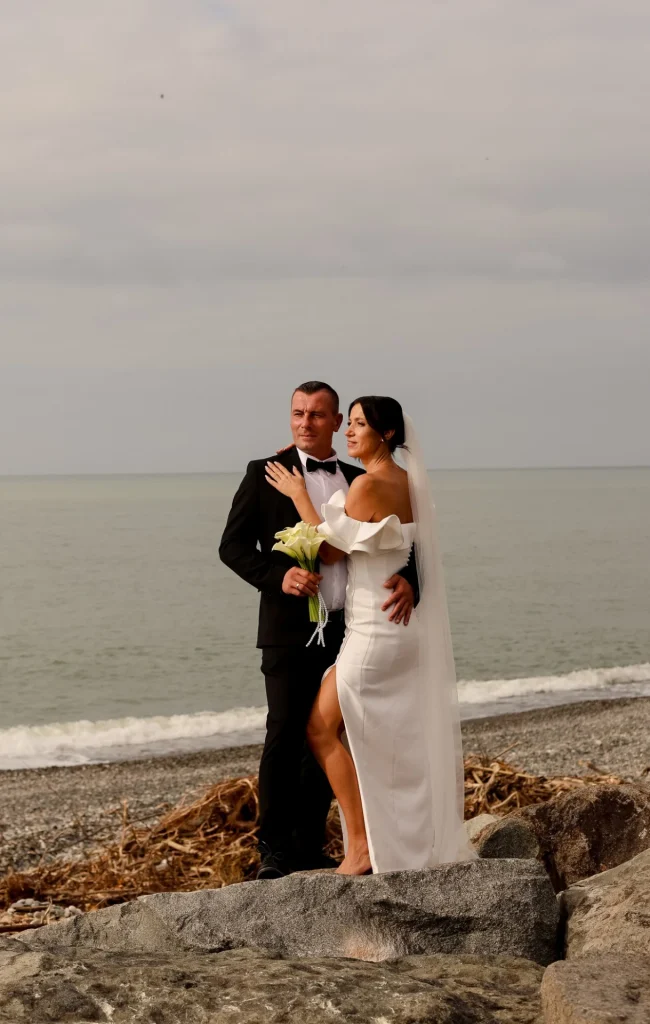

How to decide on the best country for an interfaith marriage
Choosing a wedding destination is not just about finding a beautiful backdrop for photos – it’s about taking care of your shared future. Registering a marriage in another country in 2026 has become a common practice, but when your goal is to marry someone of a different faith, the cost of choosing the wrong jurisdiction rises. To avoid spending your honeymoon in waiting rooms and government offices, we recommend evaluating your chosen country based on three criteria:
- Ease of entry: Do you need a visa? Unlike many European countries, Georgia offers visa-free entry for citizens of nearly 100 countries, which is critically important if one partner resides in Muslim states.
- Document package: Are you ready to wait months for the necessary certificates and their translations? If not, choose countries where foreign marriages require minimal documents. For example, in Georgia, in most cases, only your passports are needed.
- Legal recognition: Make sure the country issues a certificate that can be easily legalized for your home country.
Georgia perfectly meets all these criteria and offers foreigners a unique balance. Here, your faith is part of your personal story, not an obstacle under the law. It is a country where, in just 24 hours, two people in love can become an officially recognized family, acknowledged by the international community.
At Kate&Co Weddings agency, we help couples from all over the world overcome borders every day. We handle all the bureaucracy: from professional document translation to legalization of your certificate for any country worldwide. While others are busy gathering certificates, our couples are already celebrating the beginning of their married life. Ready to take the first step toward your dream? Contact us right now! We will carefully review your situation, answer all your questions, and develop a plan for your perfect wedding in Georgia. Let your story begin with ease and love, not paperwork.